The First Snow in Mammoth Lakes: What It Means for Homeowners and Visitors
1. A Sign That Winter Is Officially Approaching
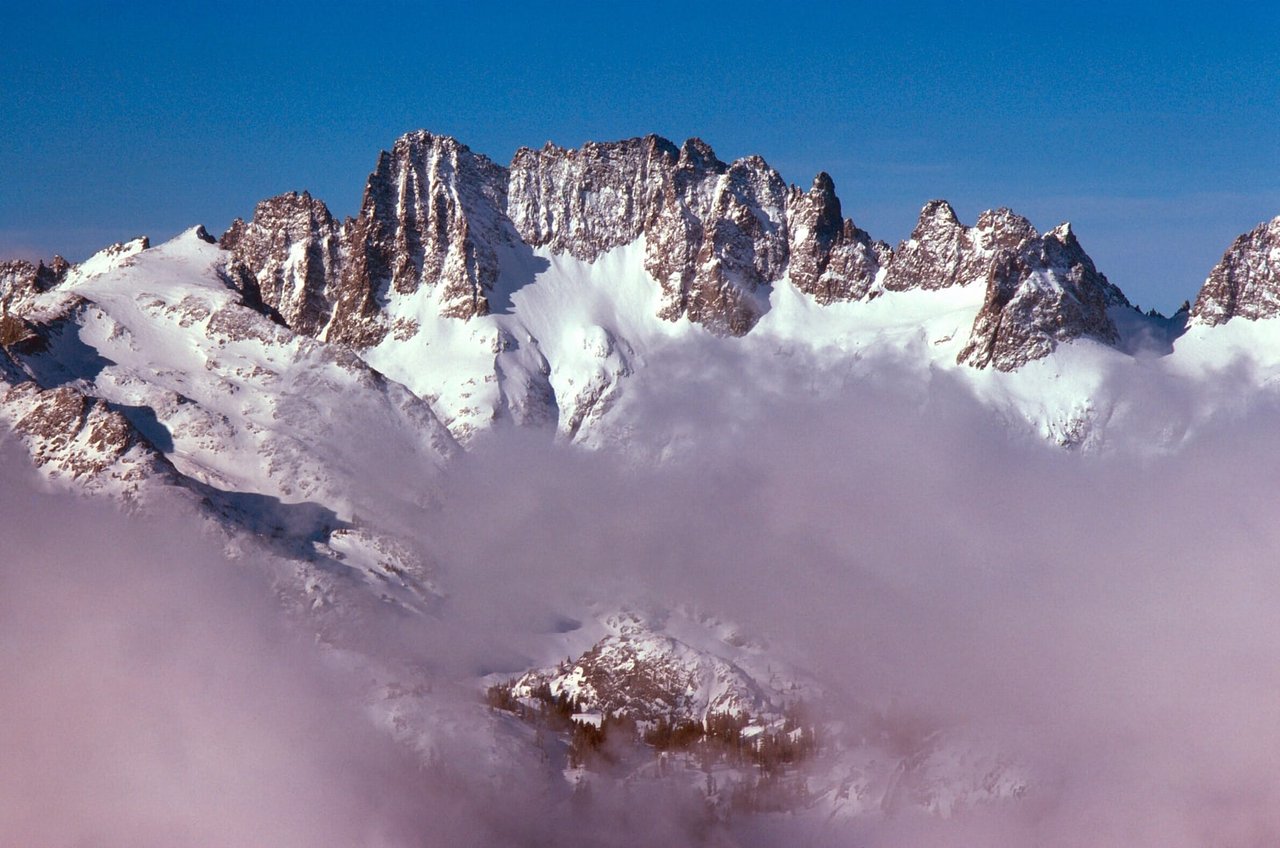
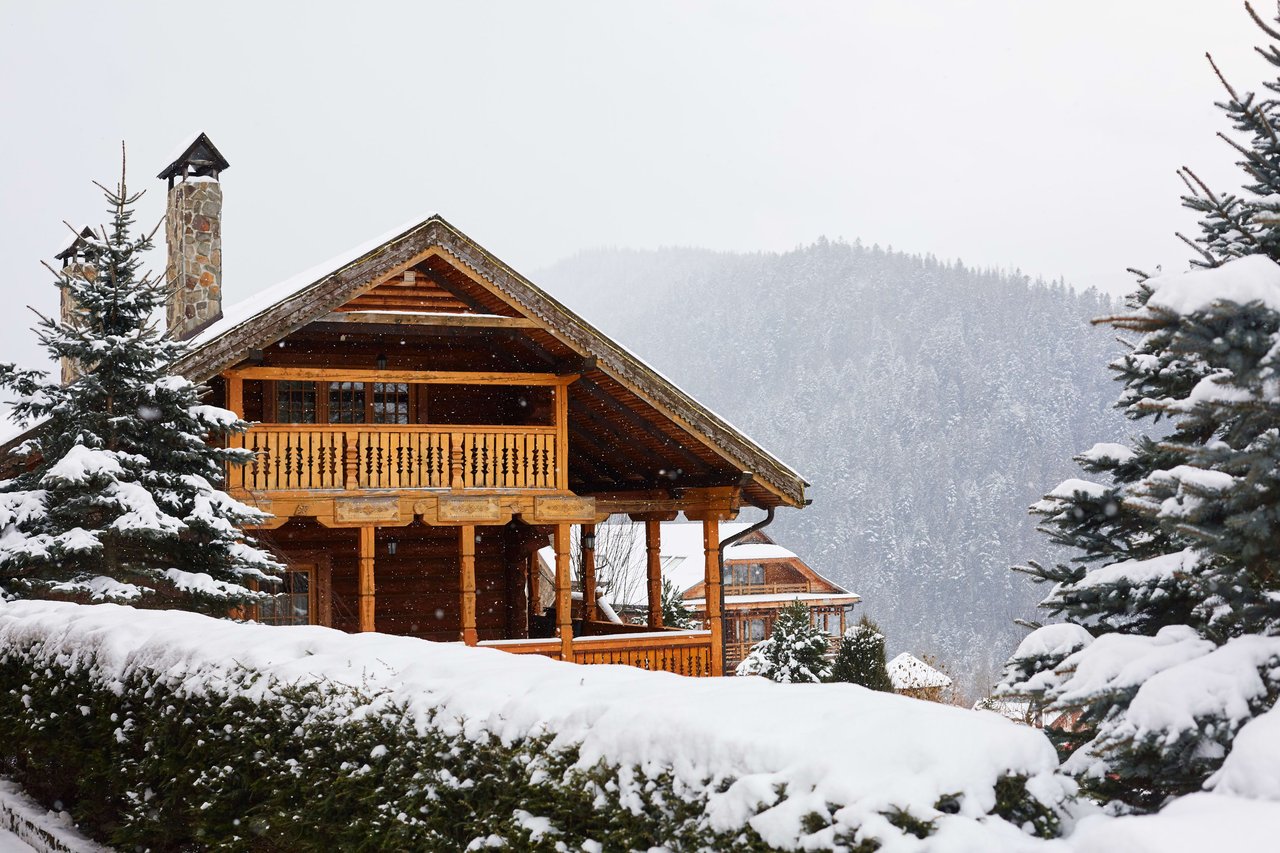
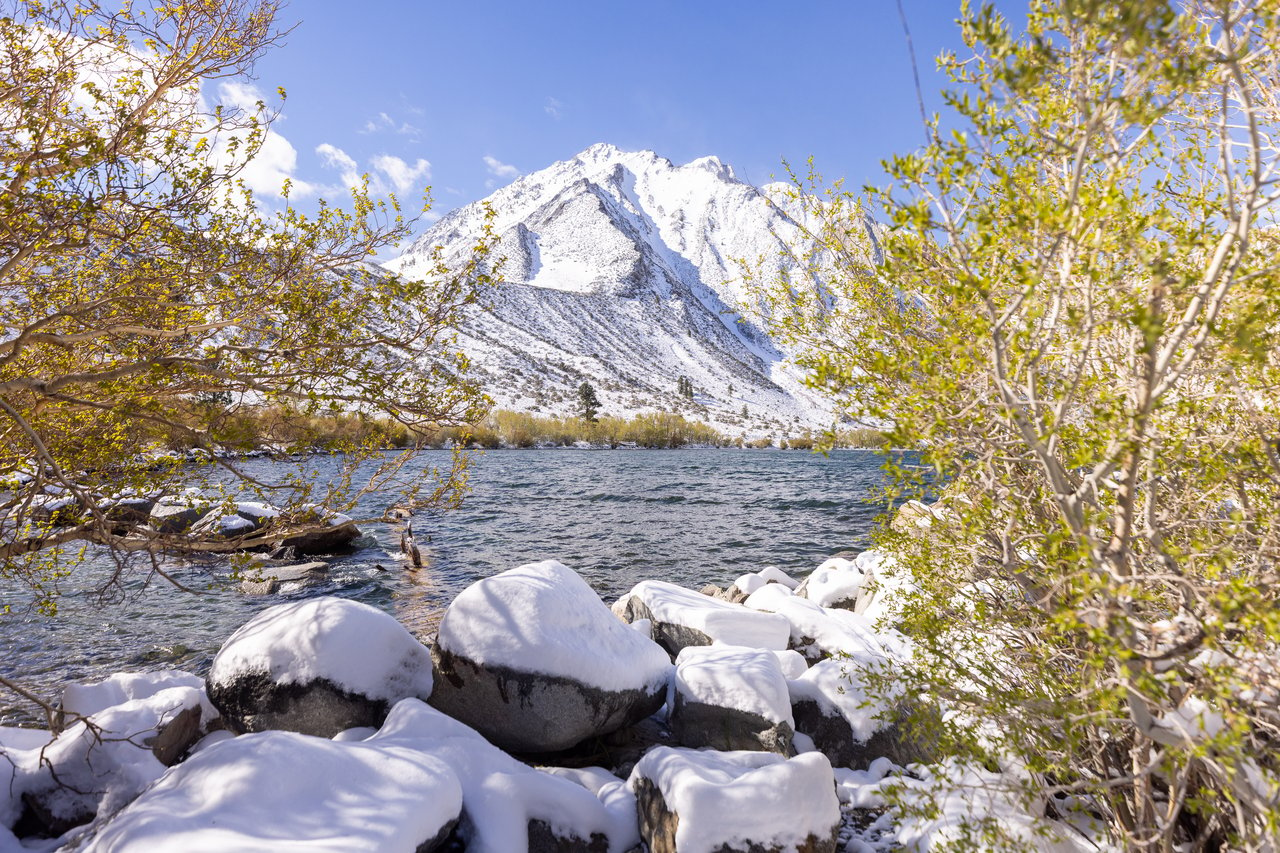
The first snowfall brings a noticeable change to Mammoth Lakes. Higher elevations may receive snow before the town itself, and conditions can vary depending on temperature, elevation, and incoming weather systems.
As the season progresses, snowfall can become more frequent, temperatures can fall below freezing, and roads and outdoor surfaces may become icy.
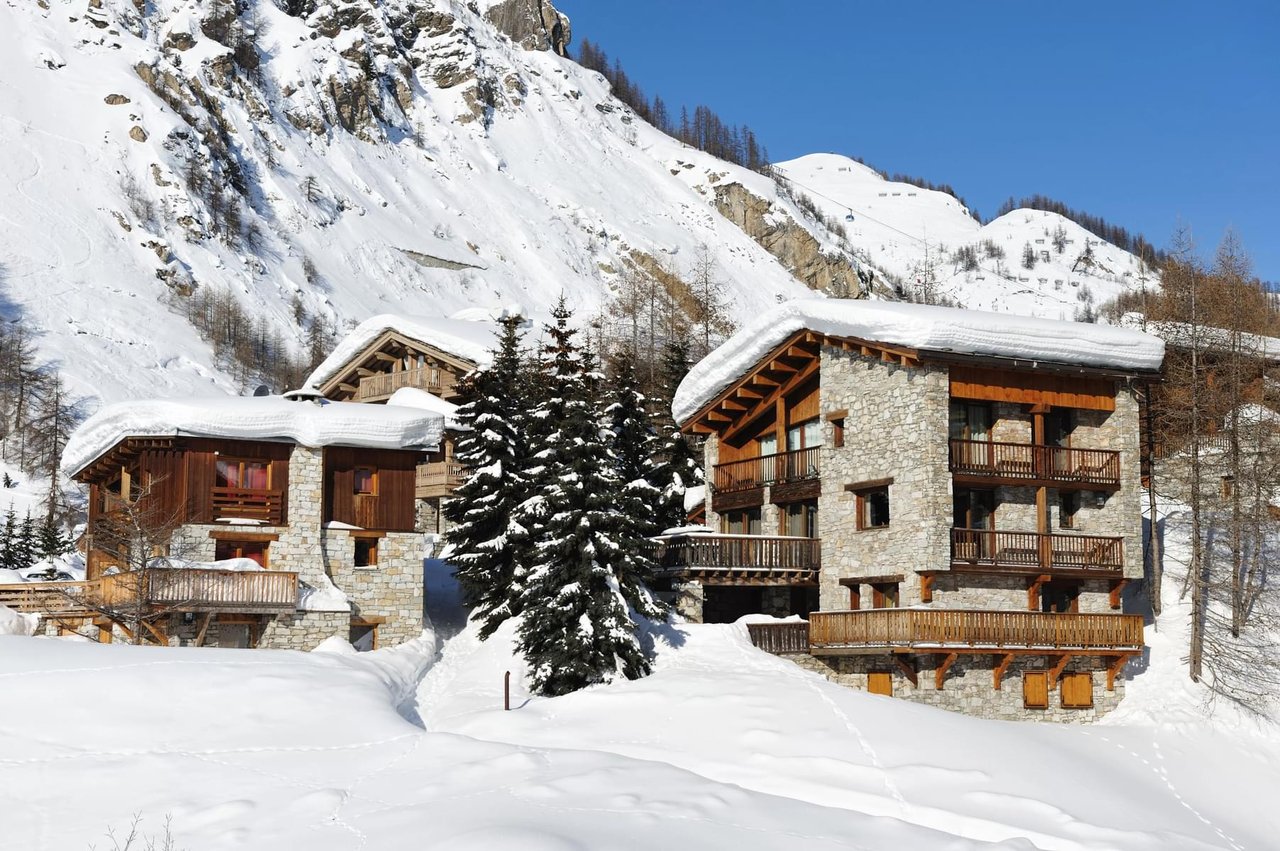
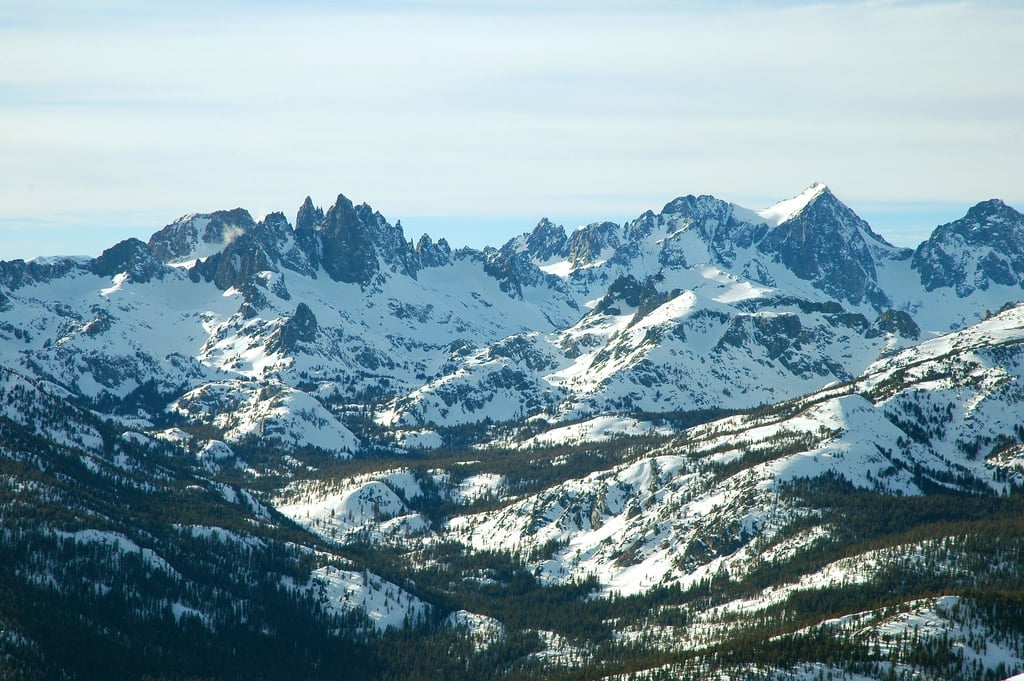
The changing landscape is part of what makes Mammoth Lakes special. Visitors can experience the beauty of the Eastern Sierra as it transitions into winter, while residents begin adjusting their daily routines for snow and colder weather.
Keep in mind that the first snowfall does not necessarily mean consistent snow coverage throughout town or that every winter recreation area is fully operational. Conditions can change quickly, so checking current weather and local updates is important.
2. What the First Snow Means for Mammoth Mountain and Ski Season
For many people, the first snow signals the beginning of ski-season excitement.
Mammoth Mountain is one of the biggest attractions in the area during winter, drawing skiers and snowboarders from across California and beyond. As snowfall begins, attention turns toward mountain conditions, lift operations, and the opening of additional terrain.
The mountain's scheduled 2026–27 winter opening date is November 13, 2026, subject to weather and operating conditions.
Early-season visitors should remember that terrain availability depends on snowfall, snowmaking, and mountain operations. Not every trail or lift will necessarily be available at the beginning of the season.
Before planning a ski trip, check the official Mammoth Mountain website for opening updates, lift status, snow reports, and operating information.
Even if you're not a skier, the start of winter brings an exciting atmosphere to Mammoth Lakes. Local businesses begin welcoming winter visitors, restaurants become gathering places after outdoor adventures, and the community shifts into its familiar mountain-season rhythm.
3. What Visitors Should Know Before Traveling After the First Snow
The first snowfall can make a trip to Mammoth Lakes beautiful, but it also means visitors should be prepared for changing road and weather conditions.
Mountain roads can become slippery, visibility may decrease during storms, and travel times can be longer than expected.
Before driving to Mammoth Lakes, consider the following:
Check road conditions: Review current highway information before leaving and throughout your trip.
Understand chain controls: California chain-control requirements may apply during winter storms. Know your vehicle's requirements and carry appropriate traction devices.
Prepare your vehicle: Check tires, brakes, windshield wipers, battery, and windshield washer fluid.
Allow extra travel time: Snow, ice, and traffic can affect driving conditions.
Pack winter essentials: Bring warm clothing, gloves, boots, water, and other useful supplies.
Stay flexible: Weather may affect outdoor activities, road access, and travel schedules.
Visitors should also check conditions at their intended destinations. Some hiking trails, recreation areas, and roads may close or become unsafe as snow and ice accumulate.
A little preparation can make a big difference when enjoying a winter trip to Mammoth Lakes.
4. Why Homeowners Should Prepare Their Properties
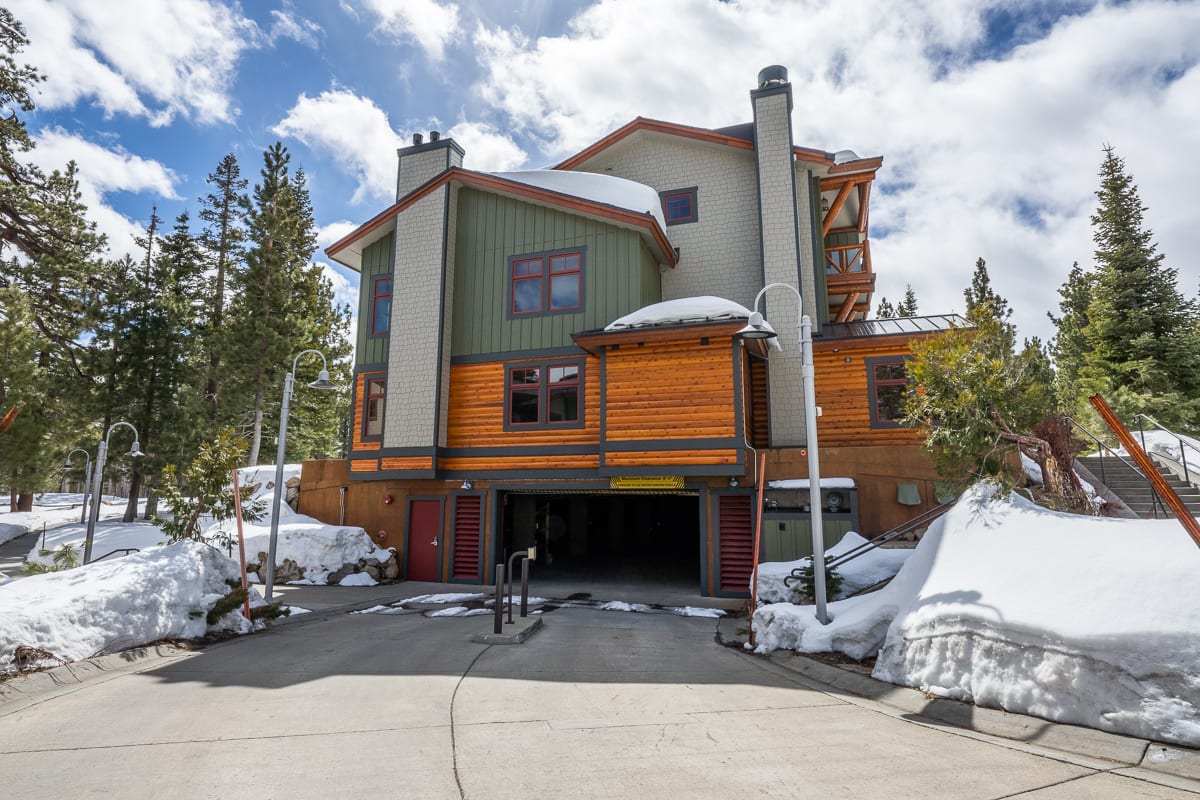
For Mammoth Lakes homeowners, the first snowfall is an important reminder to make sure their properties are ready for winter.
Cold temperatures and accumulating snow can create challenges for homes and condos, particularly when maintenance has been postponed during warmer months.
Some important winter-preparation tasks include:
Inspect heating systems. Make sure furnaces, heaters, thermostats, and fireplaces are functioning properly. Address any maintenance concerns before temperatures become consistently cold.
Protect plumbing. Identify exposed pipes and take appropriate precautions against freezing. If the property will be vacant, understand the recommended winterization procedures for the home.
Check roofs and gutters. Look for maintenance issues that could become more serious under snow and ice. Make sure gutters and drainage systems are clear where applicable.
Prepare exterior areas. Secure outdoor furniture, decorations, and equipment. Check walkways, stairs, and exterior lighting for winter safety.
Arrange snow removal. Confirm who is responsible for clearing driveways, walkways, parking areas, and access points.
Review property access. Make sure you have a plan for safely entering and maintaining the property during heavy snowfall.
Taking care of these details early can help reduce unexpected maintenance problems during the winter season.
5. Special Considerations for Second-