How Seasonal Tourism Drives Property Demand in Mammoth Lakes
The real estate market in Mammoth Lakes is deeply connected to one powerful force: seasonal tourism. Unlike traditional housing markets driven primarily by local demand, Mammoth’s property values and buyer activity are heavily influenced by visitors who come to experience the region’s year-round appeal.
From winter ski trips to summer hiking adventures, each season plays a role in shaping demand—particularly in high-interest areas like Mammoth Village. Understanding how tourism cycles impact real estate can help buyers, sellers, and investors make smarter decisions.
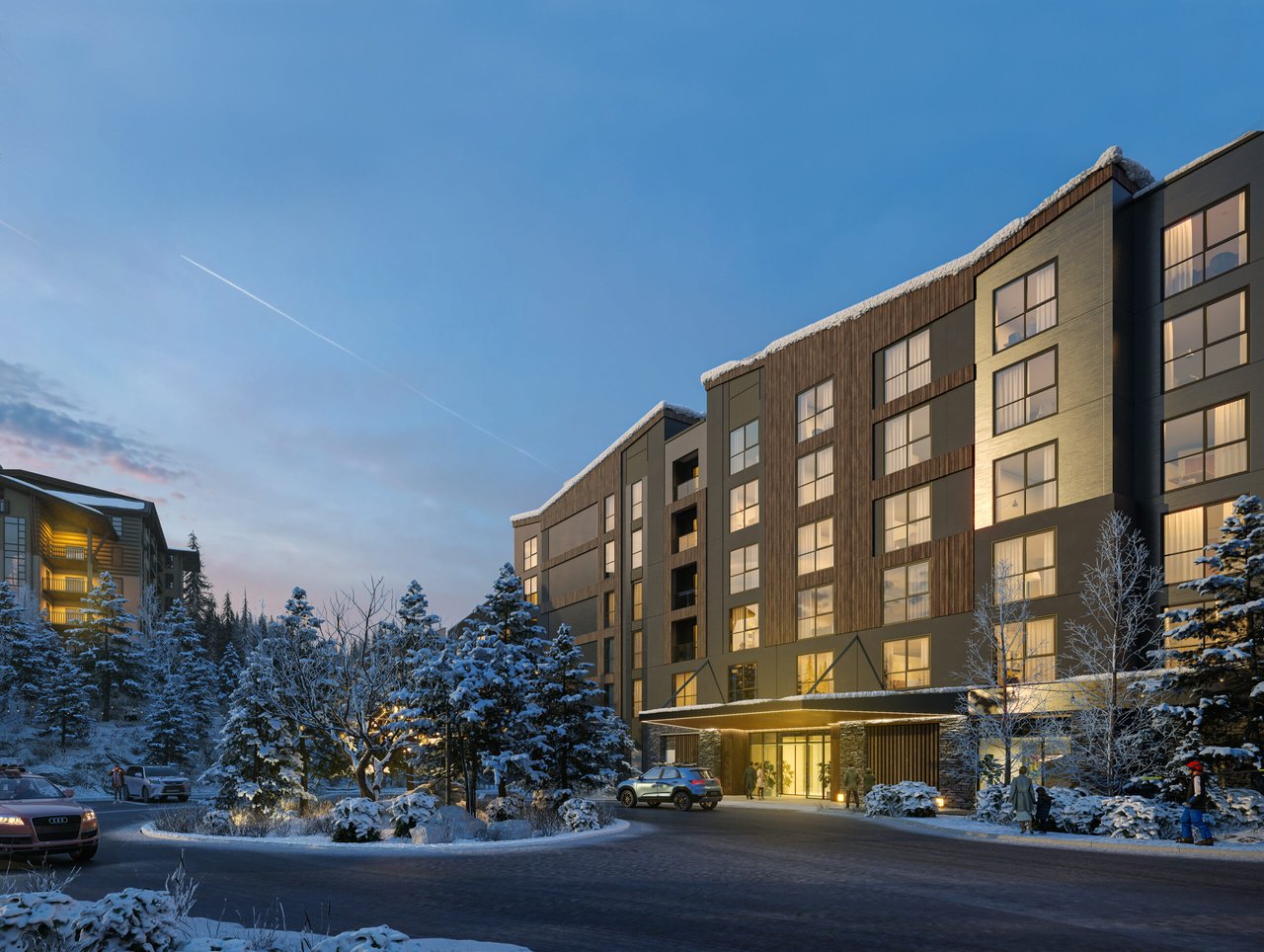
Winter: Peak Demand and Maximum Exposure
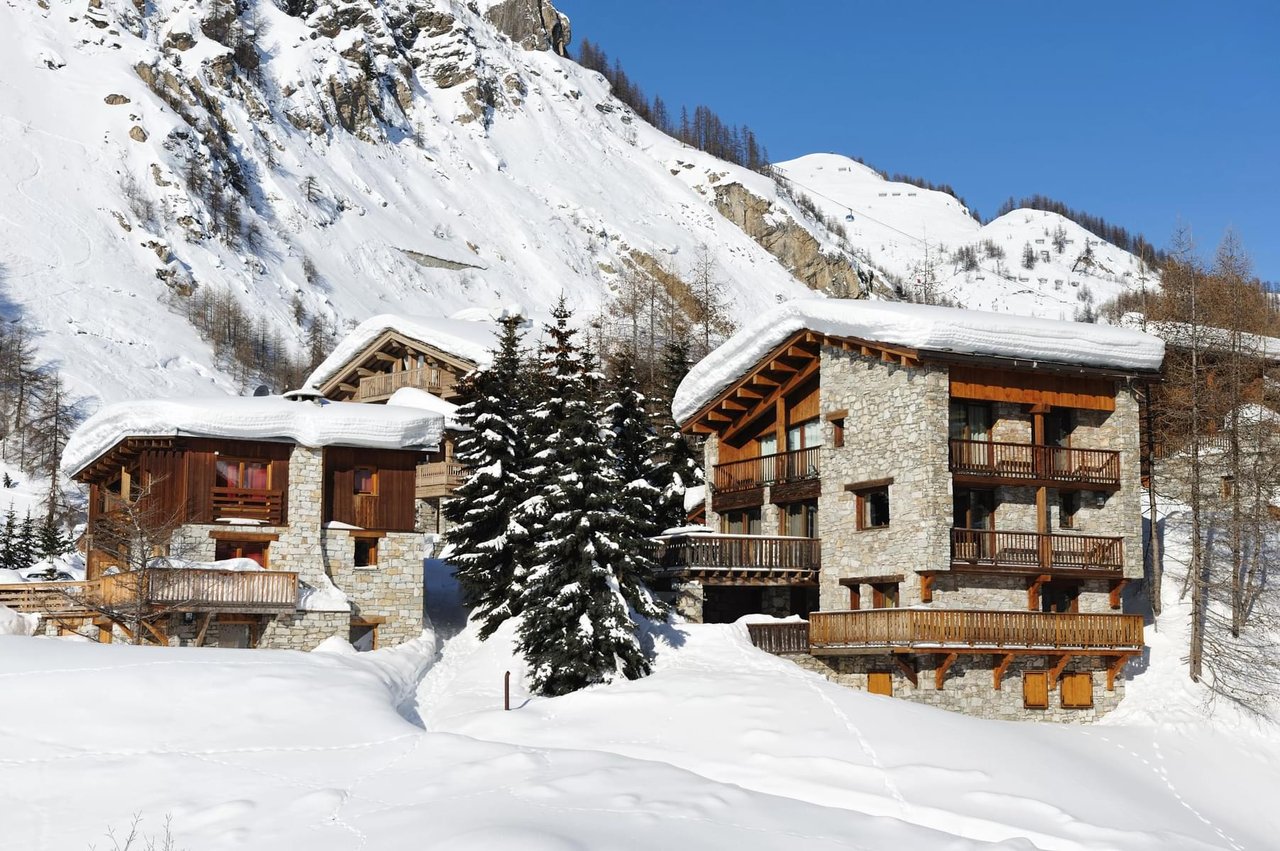
Winter is the cornerstone of Mammoth’s tourism economy, largely driven by Mammoth Mountain.
Real Estate Impact:
-
Highest volume of visitors and rental demand
-
Increased exposure for properties on the market
-
Emotional, lifestyle-driven buying decisions
Many buyers are first introduced to Mammoth during ski season. Experiencing the convenience of staying near the slopes often leads to long-term interest in owning property.
Spring: The Hidden Opportunity Window
Spring, particularly April through May, is often considered a “shoulder season”—but it plays a crucial role in the real estate cycle.
Why Spring Matters:
-
Fewer crowds allow buyers to explore more thoughtfully
-
Increased inventory compared to winter
-
More negotiation opportunities
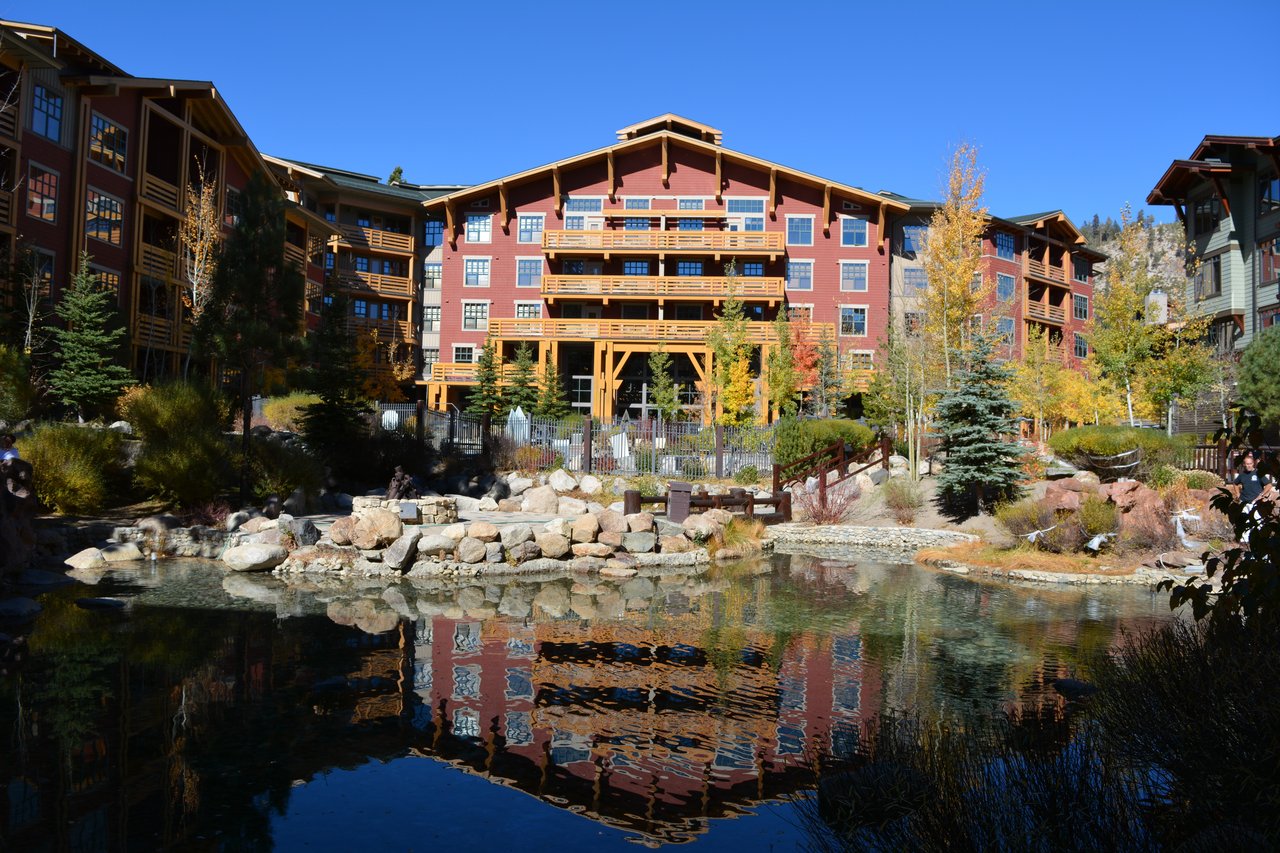
In Mammoth Village, spring gives serious buyers a chance to act before competition intensifies in summer.
Summer: Lifestyle Conversion Season
Summer brings a different type of visitor—one focused on outdoor lifestyle rather than snow sports.
Activities Driving Demand:
-
Hiking, mountain biking, and lake activities
-
Festivals and extended stays
-
Family vacations and remote work retreats
Real Estate Impact:
-
Visitors spend more time exploring neighborhoods
-
Increased interest in second homes and investment properties
-
Higher conversion rate from visitor to buyer
In Mammoth Lakes, summer often transforms casual visitors into serious buyers.
Fall: A Quiet but Strategic Season
Fall is Mammoth’s most underrated season, offering calm conditions and scenic beauty.
Market Characteristics:
-
Reduced competition among buyers
-
Motivated sellers before winter
-
Opportunity for strategic purchases
Although tourism slows, this season provides valuable opportunities for those looking to negotiate and plan ahead.
The Rise of Year-Round Demand
One of the most important trends in recent years is the shift from seasonal to year-round tourism.
What’s Driving This Change:
This evolution is strengthening the real estate market in Mammoth Village, making it less dependent on a single peak season.
Short-Term Rentals: Bridging Tourism and Real Estate
Short-term rentals play a key role in connecting tourism demand with property values.
Why They Matter:
-
Provide income potential for homeowners
-
Increase property desirability for investors
-
Reflect real-time travel trends
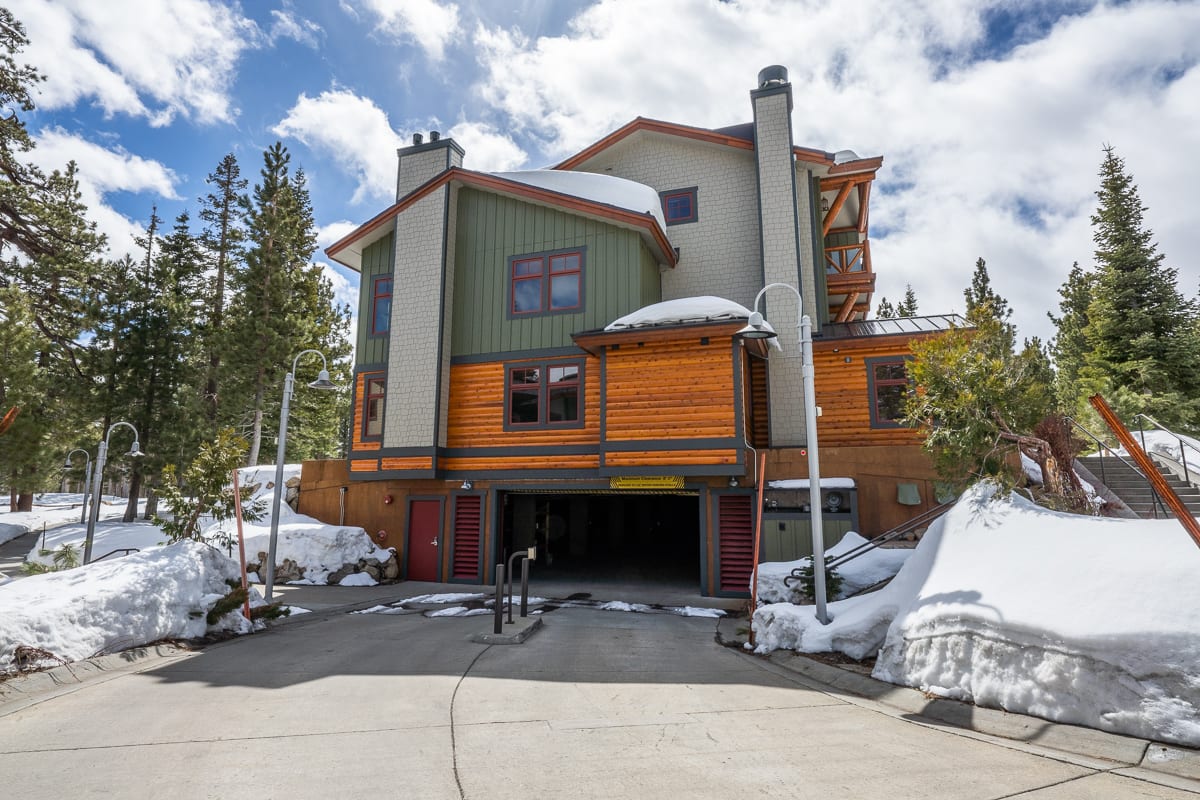
Properties located near Mammoth Mountain and within walkable areas of the village tend to perform best across seasons.
What This Means for Buyers and Investors
Understanding tourism cycles gives buyers a strategic advantage.
Key Takeaways:
-
Buying before peak seasons can reduce competition
-
Properties in high-demand tourist areas offer stronger value
-
Year-round appeal increases long-term investment stability
In Mammoth Lakes, timing your entry based on tourism trends can significantly impact both lifestyle enjoyment and financial return.
Final Thoughts
Seasonal tourism isn’t just a background factor in Mammoth—it’s the engine driving the real estate market. Each season brings different types of buyers, varying levels of demand, and unique opportunities.
From the high-energy winter months to the strategic calm of spring and fall, the market in Mammoth Village is constantly evolving. For those who understand these patterns, the opportunities are clear.
TLDR
-
Winter drives peak demand and exposure
-
Spring offers strategic buying opportunities
-
Summer converts visitors into buyers
-
Fall provides quieter, negotiation-friendly conditions
-
Year-round tourism is strengthening market stability
Image Credit: @Visitmammoth