Investment Opportunities in Mammoth Lakes Before Winter Demand Increases
As fall arrives in the Eastern Sierra, attention begins shifting toward the upcoming winter season in Mammoth Lakes. For real estate investors, this seasonal transition can be an important time to evaluate properties before winter activity picks up.
Mammoth Lakes is a distinctive real estate market because demand is influenced by its four-season recreation economy. Winter brings skiing and snowboarding at Mammoth Mountain, while summer attracts visitors for hiking, mountain biking, fishing, and other outdoor activities.
For investors considering a Mammoth Lakes investment property, this year-round appeal can create opportunities—but it also means evaluating a property beyond its peak-season potential.
Here are several factors worth considering before winter demand increases.
🎿 Winter Demand Can Influence Vacation Rental Opportunities
Winter is one of the most important seasons for Mammoth Lakes tourism. The arrival of snow and the ski season can bring increased visitor activity, particularly around well-located properties.
For investors, this makes the months leading into winter a useful time to evaluate Mammoth Lakes vacation rentals.
Properties with convenient access to Mammoth Mountain, The Village, shuttle routes, restaurants, and other amenities may appeal to visitors looking for a convenient mountain getaway.
However, proximity alone doesn't guarantee strong rental performance. Property size, sleeping capacity, amenities, condition, parking, HOA restrictions, management, and rental regulations can all influence results.
Investors should analyze actual property-specific performance whenever possible rather than relying on general market averages.
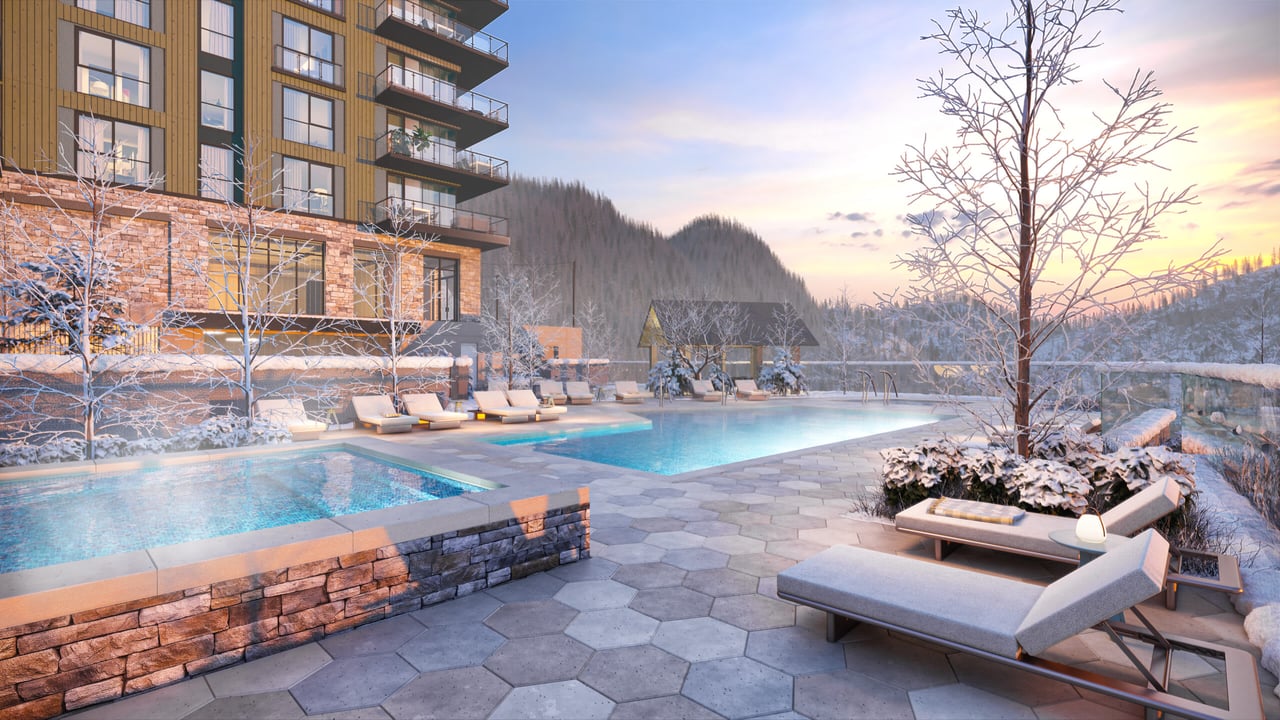
🏡 Mammoth Village Condos Can Offer Location Advantages
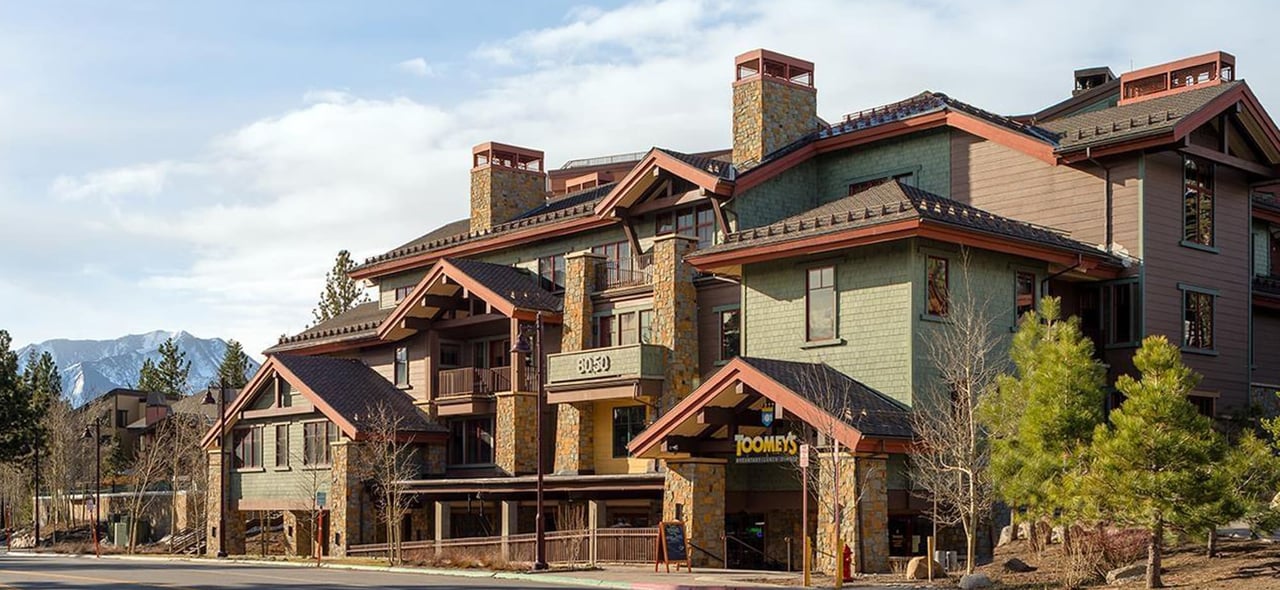
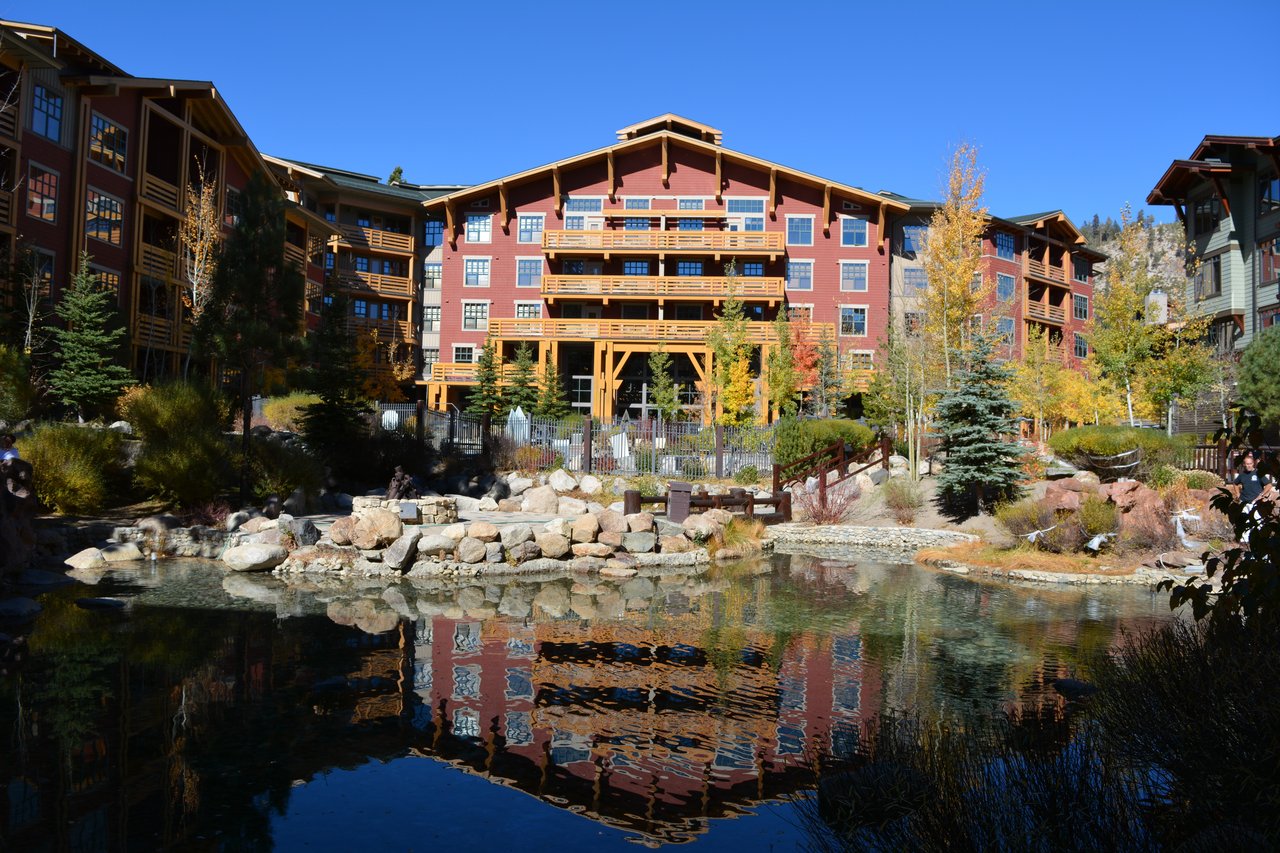
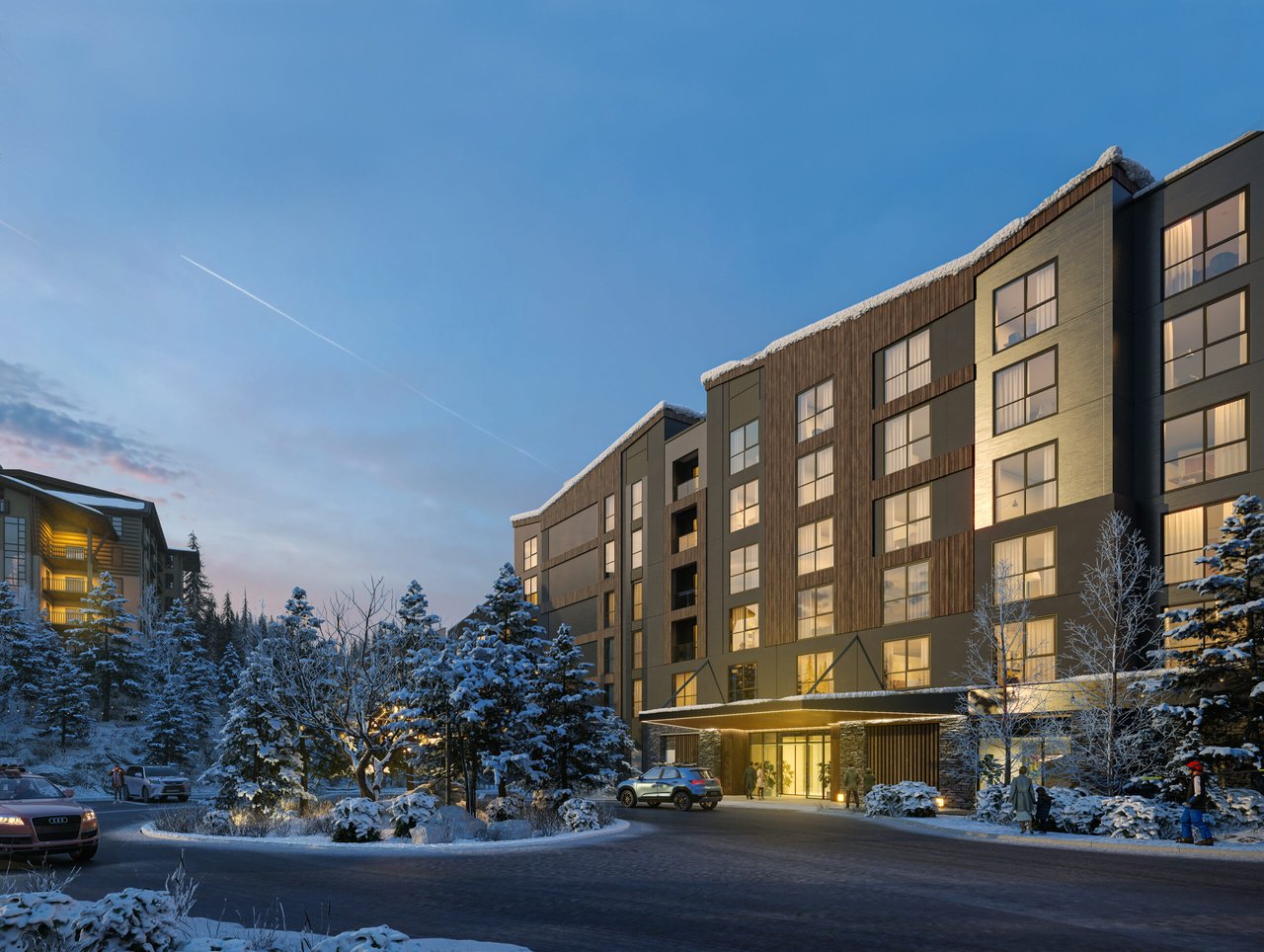
Mammoth Village real estate is particularly interesting for buyers who prioritize convenience.
Being close to dining, shopping, mountain access, and transportation can make certain Village properties appealing for both personal use and vacation stays.
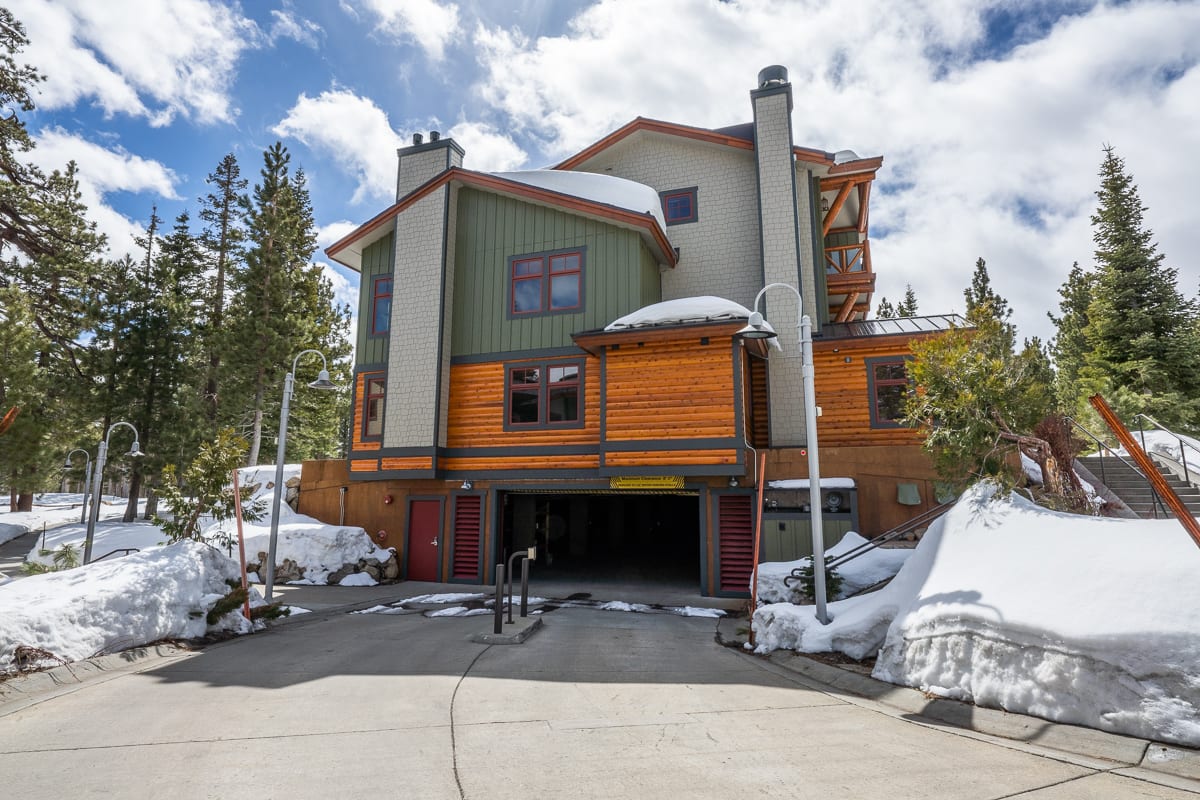
Condos can also provide a relatively straightforward way to enter the Mammoth Lakes real estate market compared with larger single-family properties, although purchase prices, HOA fees, financing, and operating costs vary considerably.
Before purchasing a condo as an investment, review the HOA's financial condition, rental policies, rules, reserves, insurance, and any upcoming assessments.
The property's location may be attractive, but the financial and operational details are equally important.
📊 Look at More Than Peak Winter Revenue
One of the biggest mistakes an investor can make is evaluating a property solely on its potential during the busiest winter weeks.
Mammoth Lakes is a four-season destination, but rental activity can fluctuate considerably throughout the year.
A stronger investment analysis should consider:
Looking at the full annual picture can provide a more realistic understanding of potential cash flow.
Third-party vacation-rental data can be useful for identifying broader trends, but it should be treated as a starting point rather than a guarantee of what a particular property will earn.
📍 Location Remains One of the Most Important Factors
In a mountain market like Mammoth Lakes, location can have a significant influence on how a property is used and perceived.
Some visitors prioritize ski access, while others want proximity to restaurants and The Village. Families may prioritize larger floor plans and parking, while other travelers may prefer smaller condos that offer convenient access to recreation.
When evaluating a Mammoth Lakes investment property, consider how the location performs across different seasons.
A property that appeals to both winter skiers and summer outdoor enthusiasts may have the potential to attract a broader range of guests throughout the year.
💰 Understand the Costs of Owning a Mammoth Investment Property
Investment potential isn't determined by revenue alone.
Mountain properties can come with unique ownership expenses. Snow removal, heating, maintenance, insurance, HOA fees, and property management can all affect the property's financial performance.
Before making an offer, investors should create a detailed ownership budget.
Consider questions such as:
What are the monthly carrying costs?
How much does professional property management cost?
What are the historical utility and maintenance expenses?
Are there upcoming HOA assessments?
What insurance coverage is required?
How much revenue remains after operating expenses?
These questions can help separate a property's gross rental income from its actual investment economics.
📋 Understand Local Vacation-Rental Regulations
Anyone considering a short-term rental should research the current rules that apply to the specific property.
Vacation-rental regulations can vary depending on location and property type, and HOA rules may impose additional restrictions.
Before purchasing, investors should verify applicable requirements with the Town of Mammoth Lakes and carefully review the property's governing documents.
A property that appears attractive from a rental-income perspective may have limitations that affect how it can be operated.
🍂 Why Fall Can Be a Useful Time to Research
Fall offers investors a valuable window to conduct due diligence before winter activity begins.
Rather than rushing into a purchase because ski season is approaching, use this period to compare properties, review financials, inspect buildings, research neighborhoods, and understand the local market.
This is particularly important for out-of-area investors who may not be familiar with the differences between Mammoth neighborhoods or property types.
Working with knowledgeable local professionals can also help investors better understand comparable sales, property condition, HOA considerations, and local operating factors.
🔎 Look for Value, Not Just Hype
Winter demand can create excitement around Mammoth Lakes real estate, but investors should remain focused on fundamentals.
A property doesn't automatically become a good investment simply because winter is approaching.
Instead, evaluate the relationship between:
Purchase price + operating expenses + financing + realistic rental income + long-term ownership goals.
This approach can help investors identify properties that fit their strategy rather than simply chasing seasonal demand.
🏔️ Consider the Long-Term Mountain Lifestyle
Another unique aspect of investing in Mammoth Lakes is the potential combination of personal use and investment.
A vacation property can provide a place for owners and their families to enjoy skiing, hiking, biking, fishing, and the broader Eastern Sierra lifestyle while potentially generating rental income when the property isn't being used.
For some buyers, that combination is an important part of the property's overall value.
The key is to establish your priorities before purchasing. An investor primarily seeking rental income may evaluate a property differently from someone who wants a second home with occasional rental use.
📌 The Bottom Line
The approach of winter can be an important time to explore Mammoth Lakes real estate investment opportunities, particularly for buyers interested in vacation rentals or properties near major recreational amenities.
But winter demand should be viewed as one component of a larger investment analysis.
The strongest due diligence includes evaluating property-specific rental performance, purchase price, expenses, location, HOA policies, local regulations, and long-term market considerations.
Whether you're considering a Mammoth Village condo, vacation rental, second home, or mountain investment property, taking the time to understand the numbers before winter arrives can help you make a more informed real estate decision.
TLDR
🎿 Winter is a major demand season in Mammoth Lakes because of skiing, snowboarding, and mountain tourism.
🏡 Mammoth Village condos may appeal to investors seeking convenient access to mountain amenities, dining, transportation, and recreation.
📊 Don't evaluate an investment based solely on peak winter rental revenue—look at the full year.
💰 Consider HOA fees, taxes, insurance, utilities, maintenance, management, financing, and other ownership costs.
📍 Location matters, particularly proximity to ski access, The Village, transportation, restaurants, and outdoor recreation.
📋 Investors should verify current vacation-rental regulations and HOA restrictions before purchasing.
🍂 Fall can provide a useful period for comparing properties and completing due diligence before winter.
🔎 Focus on realistic investment fundamentals, not simply the excitement surrounding ski-season demand.
🏔️ A Mammoth investment property can potentially combine personal mountain lifestyle benefits with rental use, depending on the property and applicable rules.
Bottom line: Before winter demand increases, investors should focus on property-specific numbers, location, operating costs, regulations, and long-term objectives when evaluating Mammoth Lakes real estate opportunities.
Credit: @Visitmammoth