Mammoth Lakes Real Estate: What Buyers Should Know Before Ski Season
1. Understand How Ski Season Can Influence Buyer Interest
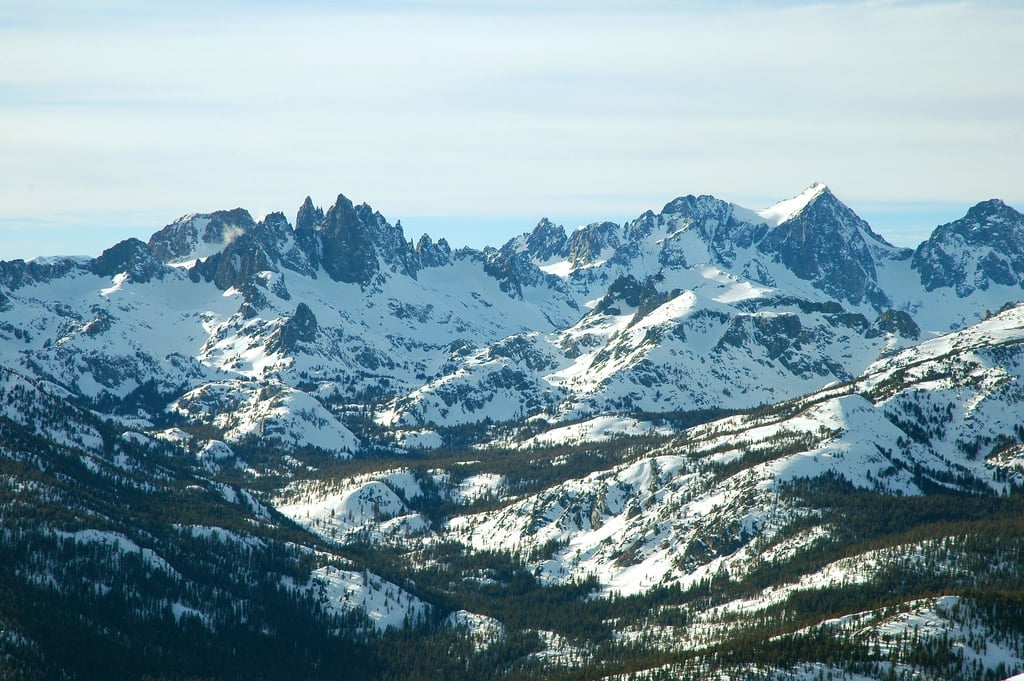
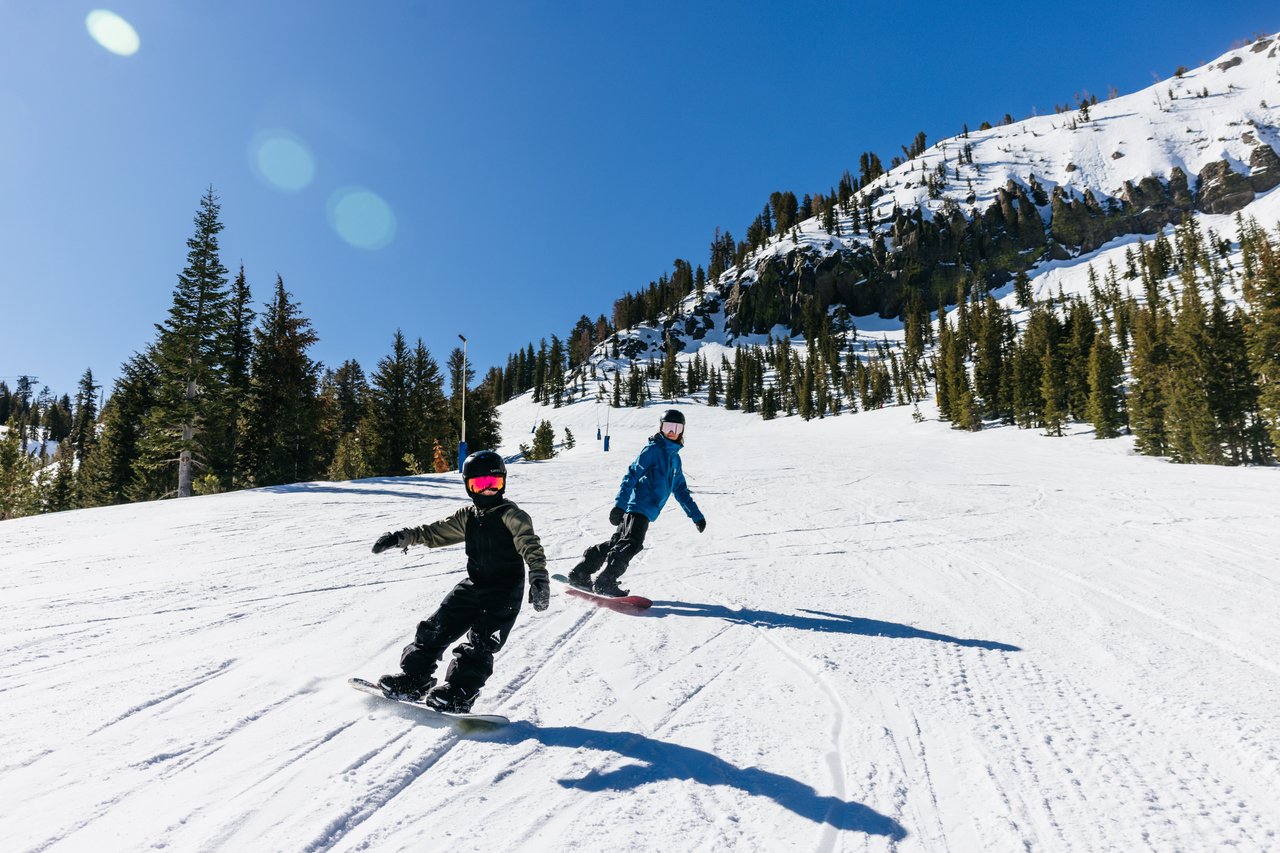
Mammoth Lakes is a well-known four-season destination, but winter brings a particular level of excitement to the community. Mammoth Mountain attracts skiers and snowboarders, while The Village and surrounding neighborhoods become popular gathering places for visitors and homeowners.
As winter approaches, some buyers may begin prioritizing properties that offer convenient access to mountain recreation, restaurants, transportation, and other amenities.
This seasonal interest can influence the types of properties buyers explore, particularly condos and second homes near popular destinations.
However, buyers should remember that the arrival of ski season does not automatically mean property values or rental income will increase. Real estate activity depends on several factors, including available inventory, pricing, financing conditions, property characteristics, and broader market trends.
Reviewing current listings and recent comparable sales can help you understand how individual properties fit into the market.
2. Location Matters When Buying a Mammoth Lakes Property
One of the most important considerations when purchasing Mammoth Lakes real estate is location. During ski season, convenience and accessibility can have a major impact on how you experience your property.
Consider how close a home is to Mammoth Mountain, The Village, local shuttle routes, restaurants, grocery stores, and other everyday amenities.
For buyers who plan to spend much of their time skiing or snowboarding, convenient access to the mountain may be a priority. Others may prefer a quieter residential setting while remaining within reasonable reach of recreation and local services.
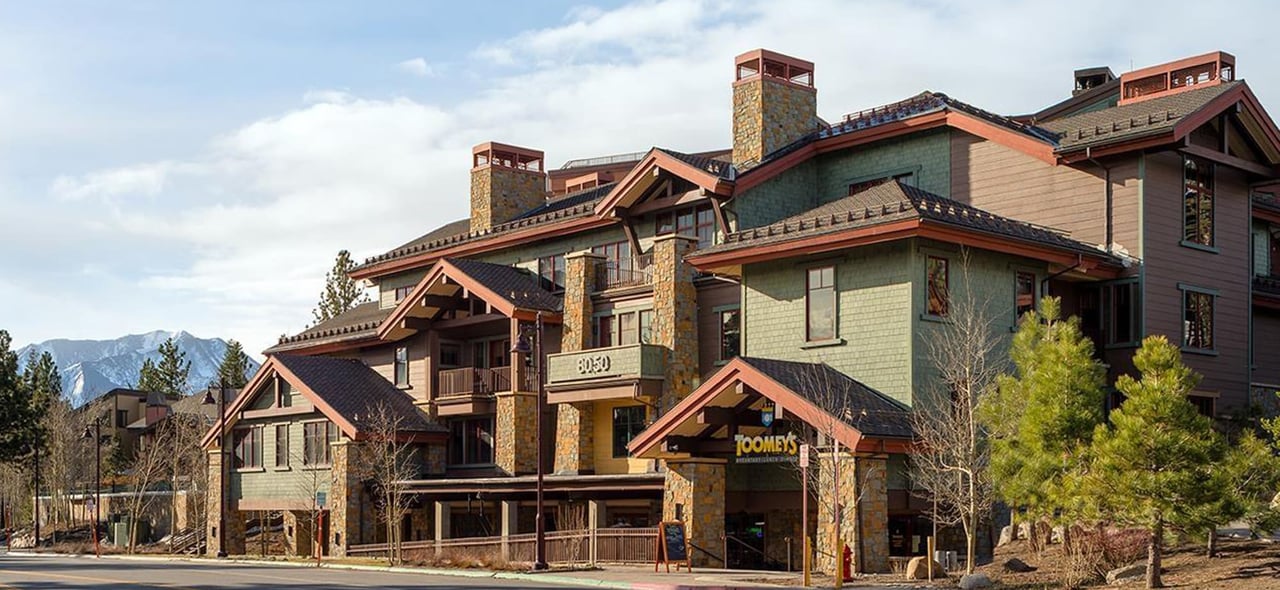
Mammoth Village properties can be particularly appealing to buyers who value walkability and access to dining, shopping, and mountain activities.
When comparing locations, consider:
Proximity to ski lifts and mountain access points
Access to The Village and local businesses
Availability of public transportation and shuttle services
Winter road and parking conditions
Access to groceries, dining, and everyday necessities
The property's surroundings during both peak and quieter seasons
The best location ultimately depends on how you intend to use the property and what matters most to your lifestyle.
3. Explore the Benefits of Buying a Condo Near The Village
For buyers interested in a convenient mountain getaway, a condo in or near Mammoth Village may be worth considering.
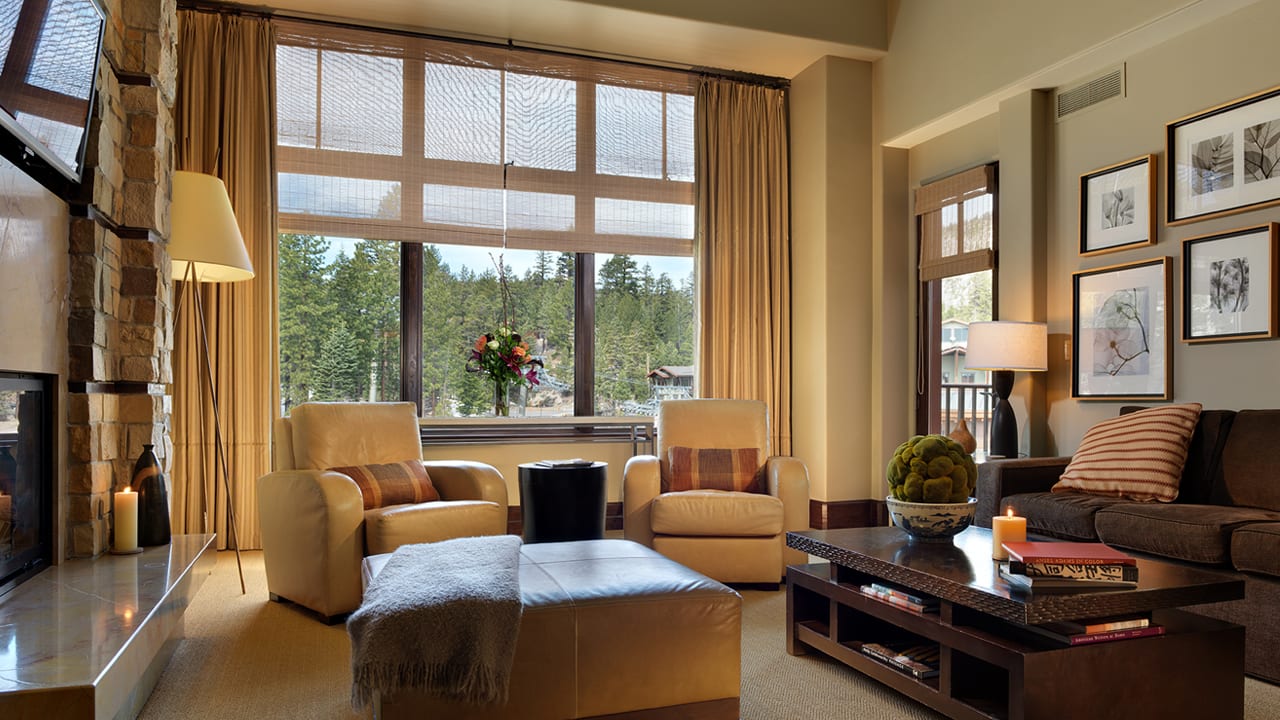
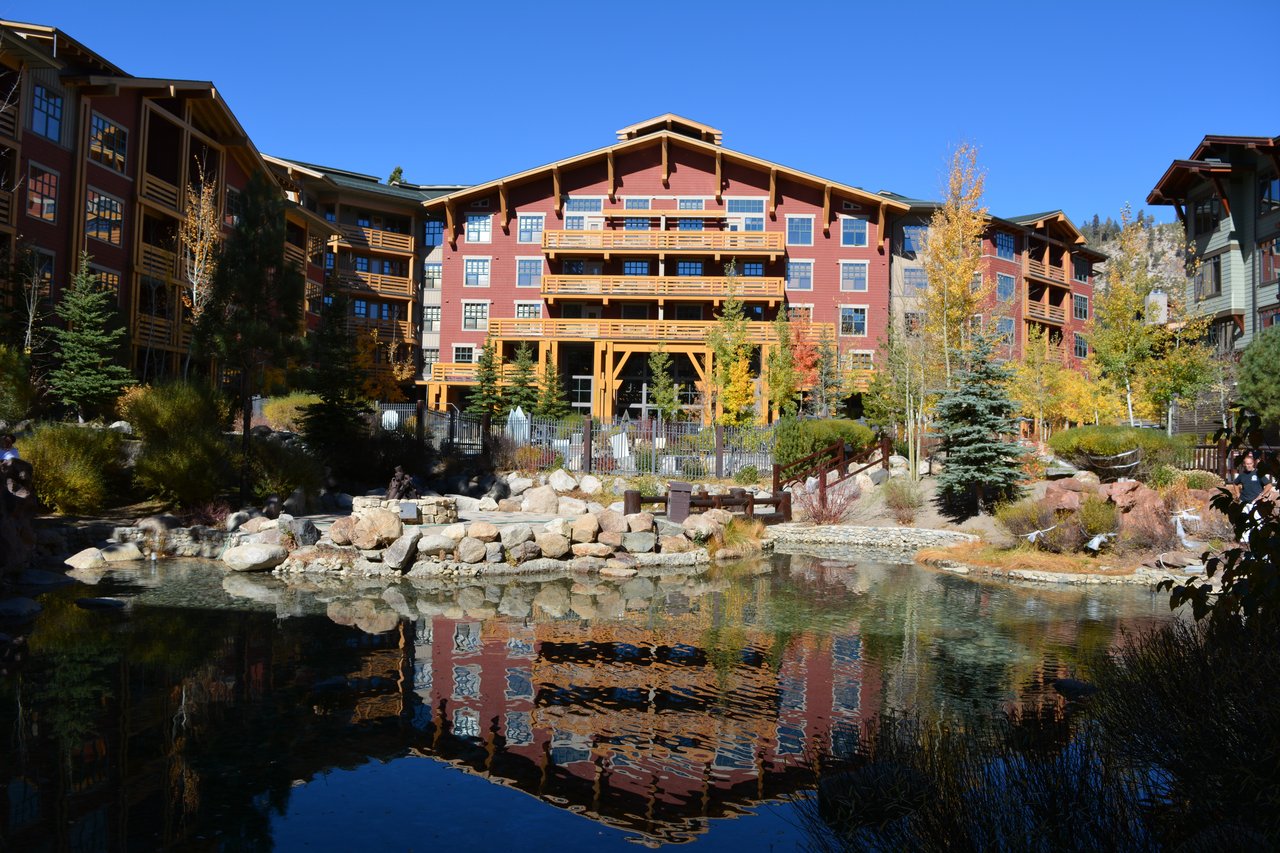
The Village offers a walkable environment with restaurants, shops, gathering spaces, and access to mountain recreation. This can be attractive to second-home buyers who want to enjoy their time in Mammoth Lakes without needing to drive everywhere.
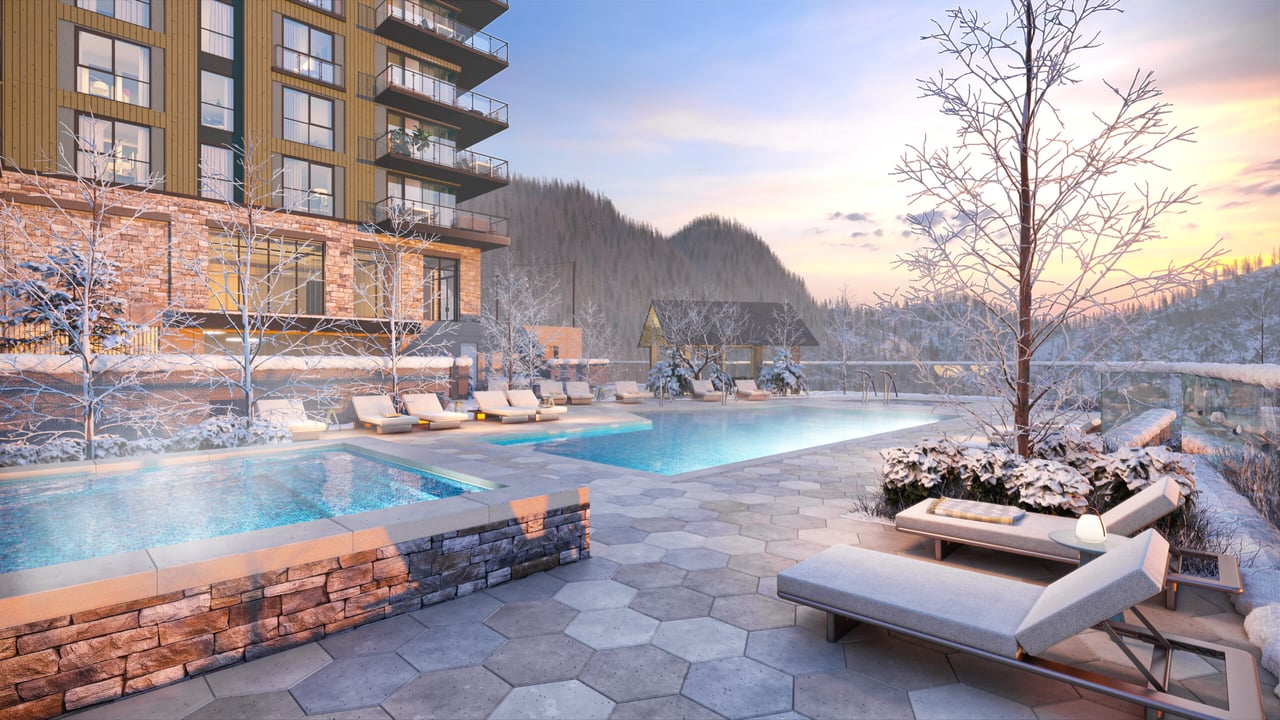
Depending on the specific community, condo amenities may include shared recreational facilities, parking, storage, and common areas.
Before purchasing, compare more than the unit's appearance and asking price. Review:
Monthly HOA dues and included services
Building condition and maintenance history
Parking availability and winter arrangements
Storage for skis, snowboards, and personal belongings
Shared amenities and their operating conditions
HOA rules, rental policies, and restrictions
Potential assessments and association financial health
A condo can offer a convenient ownership experience, but each building has different responsibilities, expenses, and rules. Reviewing the HOA documents carefully is an essential part of the buying process.
4. Make Sure the Property Is Ready for Winter
Buying a mountain home before ski season means paying close attention to its ability to handle colder temperatures and snowfall.
A property that looks beautiful during summer may require additional evaluation before becoming a comfortable winter retreat.
Before making an offer, consider having the home professionally inspected and reviewing its maintenance history.
Important features to evaluate include:
Heating and insulation: Check the heating system, windows, insulation, and overall energy efficiency. Ask about maintenance records and previous repairs.
Roof condition: Review the roof's age, condition, drainage, and maintenance history. Ask about snow-load considerations and any previous issues involving leaks.
Snow removal: Determine whether snow removal is handled by the owner, an HOA, or a property management company. Understand which areas are covered.
Plumbing protection: Ask about pipe insulation, freeze protection, and winterization procedures, especially if the property may remain unoccupied.
Parking and access: Review driveway conditions, assigned parking, garage availability, and winter access arrangements.
These details can influence both your comfort and the ongoing cost of owning a property in Mammoth Lakes.
5. Understand the Full Cost of Owning a Winter Property
The purchase price is only one part of the financial commitment involved in buying Mammoth Lakes real estate.
Mountain properties may come with ongoing expenses that buyers should understand before making a decision. Depending on the property type and ownership arrangement, these can include:
Property taxes and homeowners insurance
Monthly HOA dues
Heating, electricity, and utilities
Snow removal and seasonal maintenance
Routine repairs and property upkeep
Property management expenses
Furnishings and equipment for second homes
For condo buyers, HOA fees deserve particular attention. Understand what the monthly dues cover and whether the association has sufficient reserves for future maintenance.
If you're purchasing a second home, consider how frequently you plan to visit and whether the annual ownership costs fit your budget.
A realistic financial plan can help you enjoy your Mammoth Lakes property without overlooking the responsibilities that come with mountain homeownership.
6. Consider Whether a Second Home Fits Your Lifestyle
Many people are drawn to Mammoth Lakes because they want a place to enjoy outdoor recreation, spend time with family, and escape the routines of everyday life.
A second home can provide a convenient base for winter skiing and snowboarding, as well as summer hiking, mountain biking, fishing, and other activities.
Before purchasing, think about how you intend to use the property throughout the year.
Ask yourself:
Will this be primarily a personal vacation home?
How often do you expect to visit during ski season?
Do you need space for family and guests?
Would you prefer a condo with shared amenities or a standalone home?
Are you comfortable managing the property when you're away?
Does the location support your preferred activities beyond winter?
Mammoth Lakes offers a variety of property types and neighborhoods, so understanding your lifestyle priorities can help narrow your search.
7. Research Vacation Rental Rules Before Assuming Rental Potential
Some buyers consider purchasing Mammoth Lakes real estate for both personal enjoyment and potential vacation rental use.
While the area's recreational appeal may make this an attractive option to explore, buyers should never assume that every property can be used as a short-term rental or will generate a particular level of income.
Before purchasing, investigate applicable local regulations, permits, HOA restrictions, occupancy requirements, and rental policies.
You should also account for expenses such as cleaning, utilities, insurance, property management, maintenance, taxes, and periods when the property may remain unoccupied.
A realistic rental analysis should be based on the specific property's location, size, amenities, condition, operating costs, and applicable rules.
If rental income is part of your purchasing strategy, review these details before making an offer rather than treating rental potential as a guaranteed benefit.
8. Watch the Local Real Estate Market Before Making an Offer
Ski season can bring increased attention to Mammoth Lakes, but buyers should still approach the market with careful research.
Pay attention to current inventory, asking prices, recent closed sales, and days on market. These indicators can provide context about available properties and how individual listings compare with similar homes.
It's also important to distinguish between asking prices and actual sale prices. A listing price reflects what a seller is requesting, while closed-sale data provides information about completed transactions.
When evaluating a property, consider:
Recent comparable sales in the same area
How long the property has been listed
Any price changes since the original listing
Property condition and recent improvements
HOA fees and other ownership expenses
Features that may influence its appeal to future buyers
No single market statistic tells the entire story. A local real estate professional can help you interpret current conditions and compare properties based on your goals.
9. Get Prepared Before You Find the Right Property
When searching for a home before ski season, preparation can help make the buying process more organized.
Start by establishing your budget and speaking with a lender if you're planning to finance the purchase. Getting pre-approved can help you understand your purchasing range and prepare for the next steps.
You should also identify preferred neighborhoods, property types, and must-have features.
Before submitting an offer, make sure you understand the property's condition, ownership expenses, HOA documents if applicable, and any restrictions that could affect your intended use.
Working with a local real estate professional who understands Mammoth Lakes and its seasonal property considerations can also help you navigate the process.
Find Your Place in Mammoth Lakes Before Ski Season
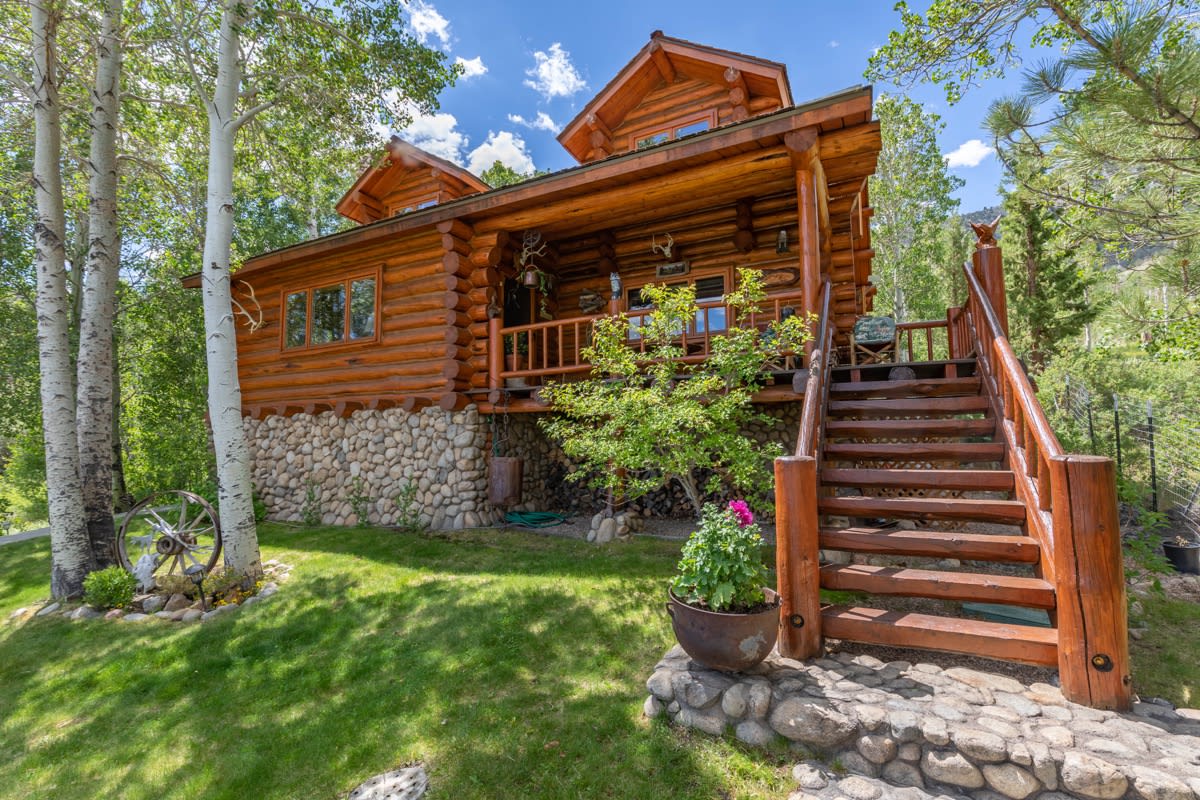
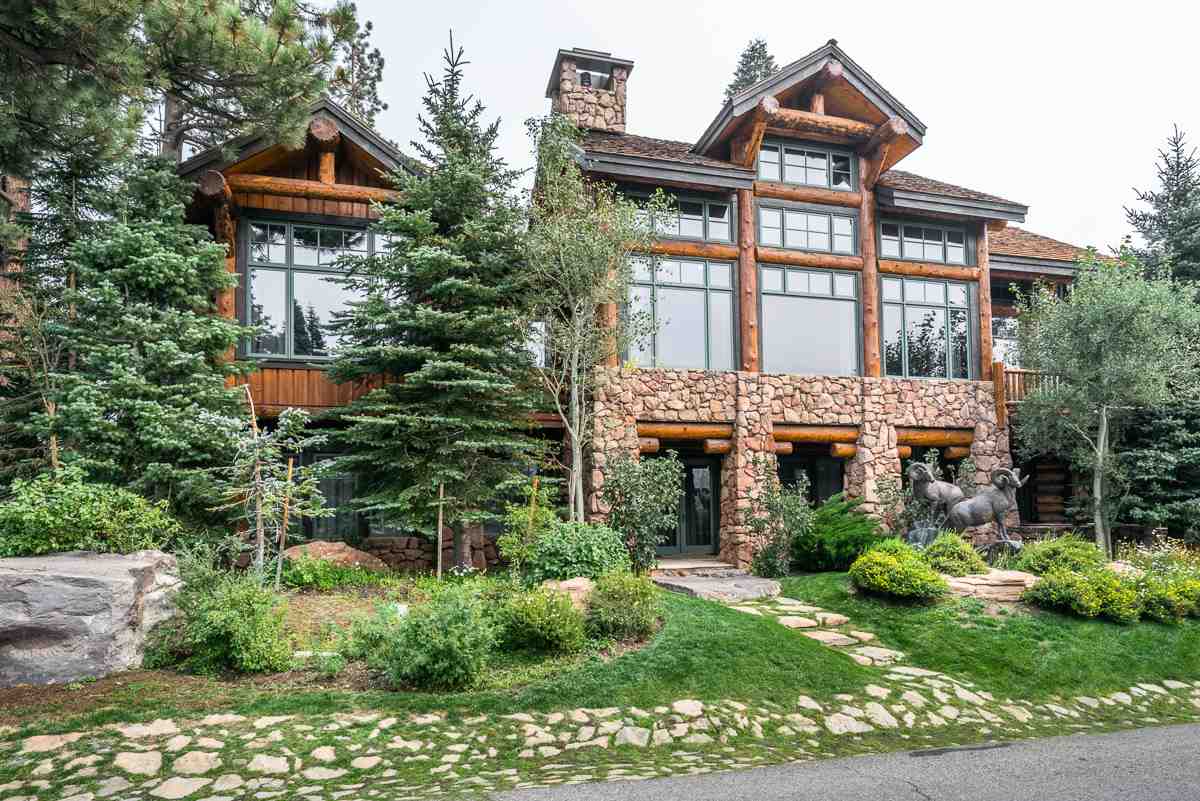
The approach of ski season makes November an exciting time to explore Mammoth Lakes real estate. From convenient condos near The Village to mountain homes designed for year-round enjoyment, buyers have several property types and lifestyle options to consider.
However, purchasing a mountain property requires more than choosing a beautiful location. Winter readiness, maintenance responsibilities, ownership costs, and long-term goals should all be part of your decision.
Whether you're searching for a second home, a vacation property, or a full-time residence, taking the time to understand the local market can help you make a more informed choice.
At Mammoth Village Properties, we believe finding the right mountain home starts with understanding how you want to experience Mammoth Lakes. With thoughtful planning and the right guidance, you can take the next step toward enjoying everything this mountain community has to offer.
📌 The Bottom Line
Buying Mammoth Lakes real estate before ski season can be an exciting opportunity for buyers who want to enjoy the mountain lifestyle. However, the right property should offer more than convenient access to winter recreation. Location, winter readiness, HOA responsibilities, ownership costs, and long-term plans all deserve careful consideration. By researching the market and evaluating each property individually, buyers can approach their Mammoth Lakes home search with greater confidence.
TLDR
Understand seasonal buyer interest: Ski season can influence which property features and locations attract attention, but it does not guarantee price appreciation.
Prioritize location: Consider access to Mammoth Mountain, The Village, local shuttle routes, restaurants, and everyday amenities.
Explore Mammoth Village condos: Compare HOA fees, parking, amenities, building condition, and rental restrictions.
Check winter readiness: Evaluate heating, insulation, roofing, plumbing, snow removal, and property accessibility.
Budget beyond the purchase price: Include taxes, insurance, utilities, HOA dues, maintenance, and management expenses.
Define your ownership goals: Decide whether you're buying a primary residence, second home, or potential vacation rental.
Research rental requirements: Confirm applicable regulations and HOA rules before assuming short-term rental use is permitted.
Review local market activity: Compare asking prices, closed sales, inventory, and days on market before making an offer.
Bottom line: Buying before ski season can be a great way to explore Mammoth Lakes real estate, but the best property is one that fits your budget, lifestyle, and long-term ownership goals.
Credit: @Visitmammoth