What Mammoth Lakes Homebuyers Should Look for Before Winter Arrives
1. Check the Heating System and Overall Energy Efficiency
One of the first things buyers should evaluate when purchasing a home in Mammoth Lakes is its heating system. With colder temperatures arriving during the winter season, reliable heating is essential for comfort and everyday living.
During your property search, ask about the type of heating system installed, its age, maintenance history, and any recent repairs. Consider having a qualified professional inspect the equipment to determine whether it is operating properly.
It's also worth checking the property's overall energy efficiency. Look at:
Window condition and insulation quality
Doors and possible drafts
Insulation in walls, ceilings, and accessible areas
Heating controls and thermostat functionality
Energy usage and utility expenses, when available
A well-maintained heating system and properly insulated home can contribute to a more comfortable indoor environment and may help manage energy expenses during colder months.
2. Evaluate the Roof and Snow Management
Snow is part of the Mammoth Lakes lifestyle, but it also creates important considerations for property owners.
Before purchasing, ask about the roof's age, condition, maintenance history, and suitability for local snow conditions. Roof maintenance is particularly important in mountain communities, where accumulated snow and changing weather can place additional demands on a structure.
Buyers should also understand how snow removal is handled.
For single-family homes, determine whether snow removal is the owner's responsibility or handled through a contracted service. For condos and properties within an HOA, review the association's maintenance responsibilities and snow removal arrangements.
Other questions worth asking include:
How are roofs inspected and maintained?
Are gutters and drainage systems properly maintained?
Who clears snow from driveways, walkways, and shared areas?
Are there designated areas for snow storage?
Have there been any previous issues involving leaks or snow-related damage?
Understanding these details before closing can help prevent unexpected maintenance concerns later.
3. Consider Parking and Winter Accessibility
Parking and accessibility can make a significant difference when owning property in Mammoth Lakes during winter.
A home that is convenient to access during summer may require additional planning when snow accumulates. Buyers should consider how easily they can reach the property, park their vehicles, and move around the neighborhood during winter conditions.
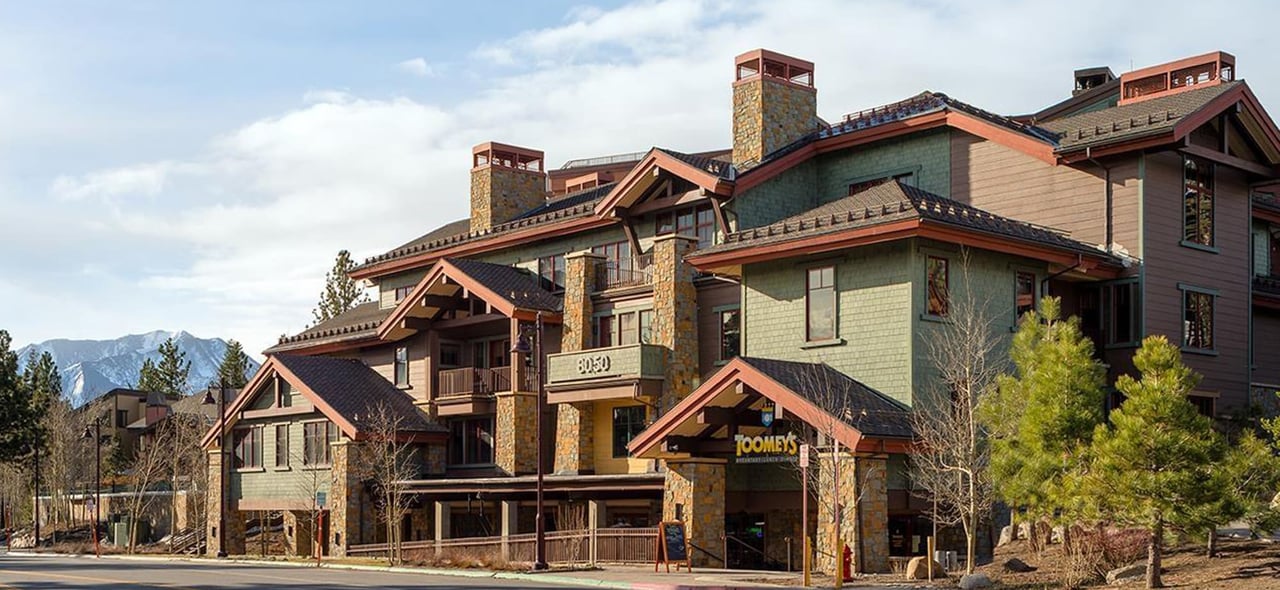
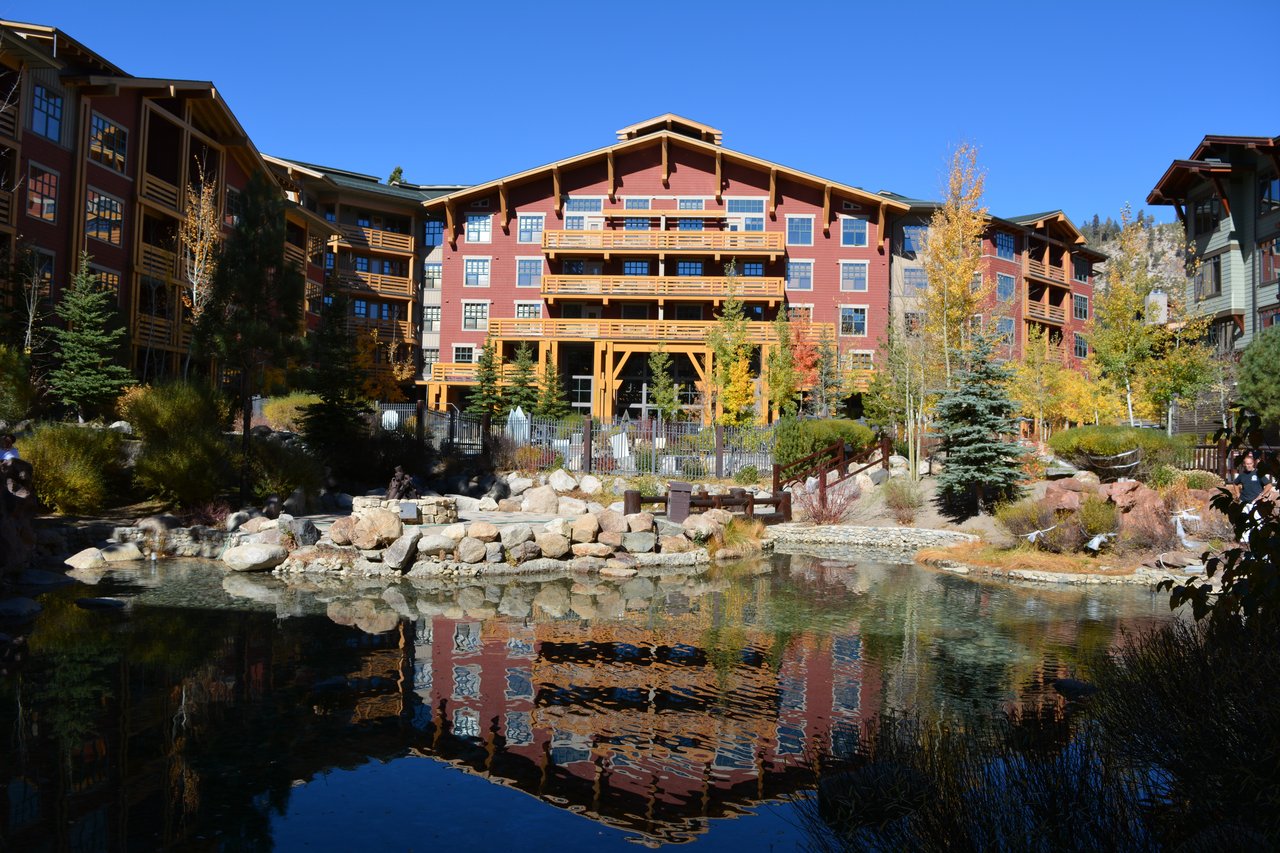
If you're considering a condo in Mammoth Village, review the building's parking arrangements, assigned spaces, guest parking, and any winter parking restrictions.
For single-family homes, evaluate driveway access, snow removal responsibilities, garage availability, and the amount of space available for vehicles and outdoor equipment.
Also consider proximity to local shuttle routes, shopping, restaurants, and recreation. Convenient access to these amenities can make winter living and vacation visits more enjoyable.
4. Review Plumbing and Freeze Protection
Cold weather can create additional demands on a property's plumbing system. Buyers should understand how the home is designed to protect pipes and plumbing fixtures during freezing temperatures.
Ask whether the property has experienced frozen pipes, plumbing leaks, or other cold-weather issues. A professional inspection can help identify potential concerns and determine whether pipes are adequately insulated and protected.
If you're purchasing a second home that may remain vacant for extended periods, ask about the property's winterization procedures.
Important considerations include:
Pipe insulation and freeze protection
Exterior faucets and water connections
Heating requirements when the property is unoccupied
Water shutoff locations
Previous plumbing repairs or freeze-related damage
These details are especially important for vacation homeowners who may not be at the property every week during winter.
5. Understand HOA Responsibilities When Buying a Condo
Mammoth Lakes offers a variety of condominium communities, making condos an appealing option for buyers seeking a mountain getaway with shared amenities and potentially fewer individual exterior maintenance responsibilities.
However, purchasing a condo means understanding the homeowners association and its responsibilities.
Before making an offer, carefully review the HOA documents and ask about:
Monthly HOA dues and what they cover
Snow removal and exterior maintenance
Roof and building maintenance responsibilities
Shared amenities and their availability
Insurance coverage and deductibles
Reserve funds and upcoming special assessments
Rental policies and occupancy restrictions
These details can influence the overall cost and convenience of condo ownership.
For buyers considering a Mammoth Village condo, it's also worth comparing building locations, amenities, parking, and access to nearby dining, shopping, and mountain recreation.
6. Look Beyond the Property and Evaluate Its Location
Location is one of the most important factors when buying real estate in Mammoth Lakes. During winter, the property's surroundings can have an even greater influence on convenience and lifestyle.
Consider how close the home is to Mammoth Mountain, The Village, local restaurants, shopping, transportation, and other amenities.
If you enjoy skiing and snowboarding, a property with convenient access to winter recreation may be particularly attractive. If you're planning to live in Mammoth Lakes year-round, consider access to essential services and everyday conveniences.
For second-home buyers, think about how easy it will be to arrive, settle in, and enjoy your property during winter visits.
A property's location should support your intended use, whether you're purchasing a full-time residence, a seasonal retreat, or a potential investment property.
7. Consider Storage and Space for Winter Equipment
Mountain living often involves equipment and belongings that require additional storage space.
Before purchasing, consider whether the property has enough room for skis, snowboards, boots, winter clothing, outdoor equipment, and other personal belongings.
Some condos offer dedicated storage areas or convenient equipment storage, while single-family homes may provide garages, closets, or additional storage rooms.
For buyers who plan to host family and friends throughout ski season, sleeping arrangements and functional living spaces are also worth evaluating.
A property that offers practical storage and a comfortable layout can make winter visits much easier and more enjoyable.
8. Understand the Full Cost of Mountain Homeownership
The purchase price is only one part of owning real estate in Mammoth Lakes. Buyers should create a realistic budget that accounts for the ongoing costs associated with mountain property ownership.
Depending on the property, expenses may include:
If you're considering purchasing a vacation rental, additional expenses may include cleaning, guest services, furnishings, repairs, booking-related costs, and management fees.
Buyers should also review applicable local regulations and HOA rental restrictions before assuming a property can be used as a short-term rental.
Understanding the complete financial picture can help you choose a property that fits your budget beyond the initial purchase.
9. Work With Local Real Estate Professionals Who Understand Mountain Properties
Buying property in a mountain community can involve considerations that differ from purchasing real estate elsewhere. Local knowledge can help buyers understand neighborhood differences, seasonal conditions, property features, and the responsibilities associated with mountain homeownership.
A local real estate professional can help you compare available properties, review market information, understand location advantages, and identify questions to ask before making an offer.
It's also important to work with qualified inspectors and other professionals who can evaluate the property's condition and identify potential concerns.
Taking time to conduct appropriate due diligence can help you avoid overlooking important details during the excitement of finding your ideal Mammoth Lakes home.
Find the Right Mammoth Lakes Property Before Winter
As winter approaches, Mammoth Lakes becomes an exciting destination for outdoor recreation, seasonal getaways, and mountain living. For prospective homebuyers, this is an excellent opportunity to explore available properties and think carefully about what makes a home suitable for colder weather.
From reliable heating and snow management to parking, HOA responsibilities, and convenient access to recreation, every detail can contribute to a better ownership experience.
Whether you're looking for a Mammoth Village condo, a cozy second home, or a year-round mountain residence, the right property should align with your lifestyle, budget, and long-term goals.
At Mammoth Village Properties, we understand that finding a mountain home means looking beyond its appearance. It's about discovering a property that fits the way you want to experience Mammoth Lakes in every season.
📌 The Bottom Line
Buying a home in Mammoth Lakes before winter arrives requires careful consideration of both the property's features and its ability to handle mountain conditions. Buyers should evaluate heating, insulation, roofing, plumbing, snow removal, parking, HOA responsibilities, and ongoing ownership expenses. Taking time to understand these factors can help make your transition into mountain homeownership more comfortable and informed.
TLDR
Check the heating system: Evaluate heating equipment, insulation, windows, and energy efficiency before purchasing.
Inspect the roof: Understand roof condition, snow management, drainage, and maintenance responsibilities.
Review parking and accessibility: Consider winter parking arrangements, driveway access, snow removal, and nearby transportation.
Evaluate plumbing: Ask about pipe insulation, freeze protection, and winterization procedures.
Understand HOA responsibilities: Review dues, maintenance, snow removal, insurance, and rental restrictions before buying a condo.
Choose the right location: Consider proximity to Mammoth Mountain, The Village, restaurants, transportation, and everyday amenities.
Plan for storage: Make sure there's enough space for winter equipment, personal belongings, and guests.
Budget for ownership costs: Account for taxes, insurance, utilities, maintenance, HOA fees, and potential management expenses.
Bottom line: The best Mammoth Lakes home is one that fits your lifestyle and budget while being properly prepared for winter conditions and year-round mountain living.
Credit: @Visitmammoth