What the Latest Rental Data Says About Mammoth’s Summer Market
As summer reaches its peak in Mammoth Lakes, one thing is clear: rental performance is being shaped by a mix of steady demand, rising competition, and strategic pricing.
For investors and property owners, the latest data reveals a market that is still profitable—but increasingly nuanced.
📊 Occupancy Rates: Stable, But Not Surging
Recent data shows that short-term rental occupancy in Mammoth Lakes is averaging around 40%–46% annually, with some datasets reporting approximately 45% occupancy as of mid-2026.
While this may seem moderate, it’s important to understand the context:
Mammoth is a highly seasonal market
Summer occupancy is stronger than shoulder months
Peak winter still drives the highest booking volume
In fact, average Airbnb occupancy can dip closer to 34% in lower-performing periods, highlighting the importance of timing and strategy.
👉 The takeaway: Occupancy isn’t maxed out—but it’s consistent enough to support strong returns when managed well.
💰 Pricing Strength Is Carrying the Market
Even with moderate occupancy, pricing remains a major advantage.
Average nightly rates range from $400 to $458+ per night
Revenue per available rental (RevPAR) remains stable due to strong ADR
Premium properties in high-demand areas outperform significantly
This means investors are relying less on full occupancy and more on maximizing revenue per booking.
🏡 Competition Is Increasing
One of the biggest insights from the latest data is the growing number of active listings:
Thousands of short-term rentals are active in the market
Increased supply is creating more competition for bookings
Performance varies widely depending on property quality and location
As one key insight suggests:
👉 Not all properties perform equally—even within the same area.
This reinforces the importance of:
Professional listing optimization
Strategic pricing adjustments
Strong guest experience and reviews
📍 Why Location Still Wins: Mammoth Village
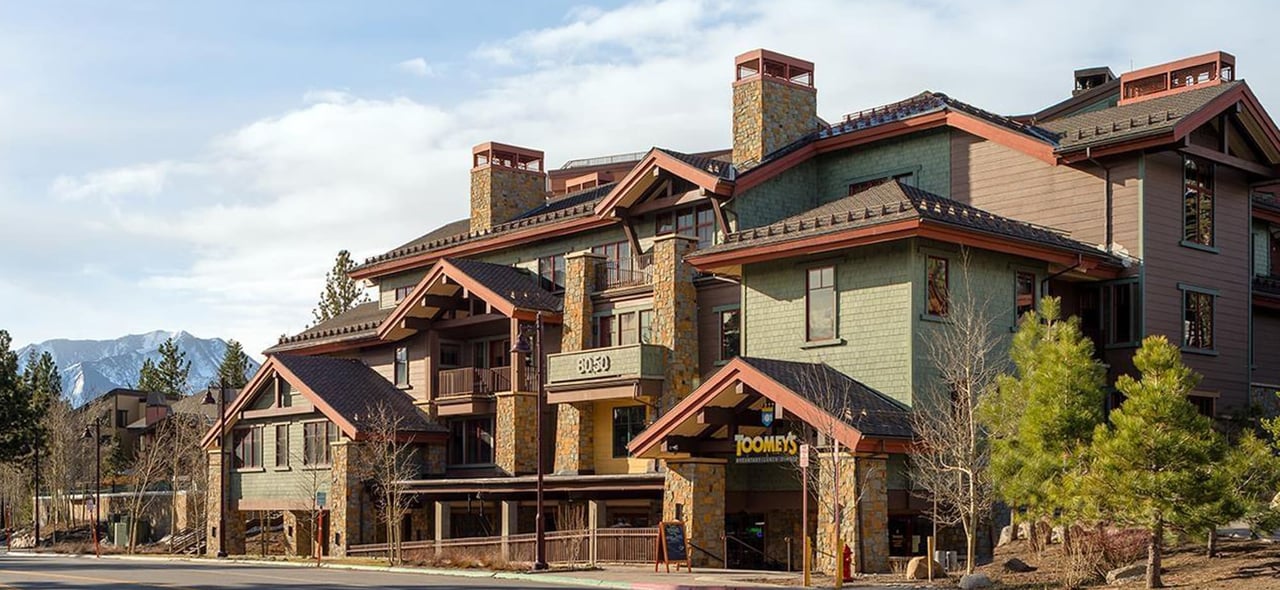
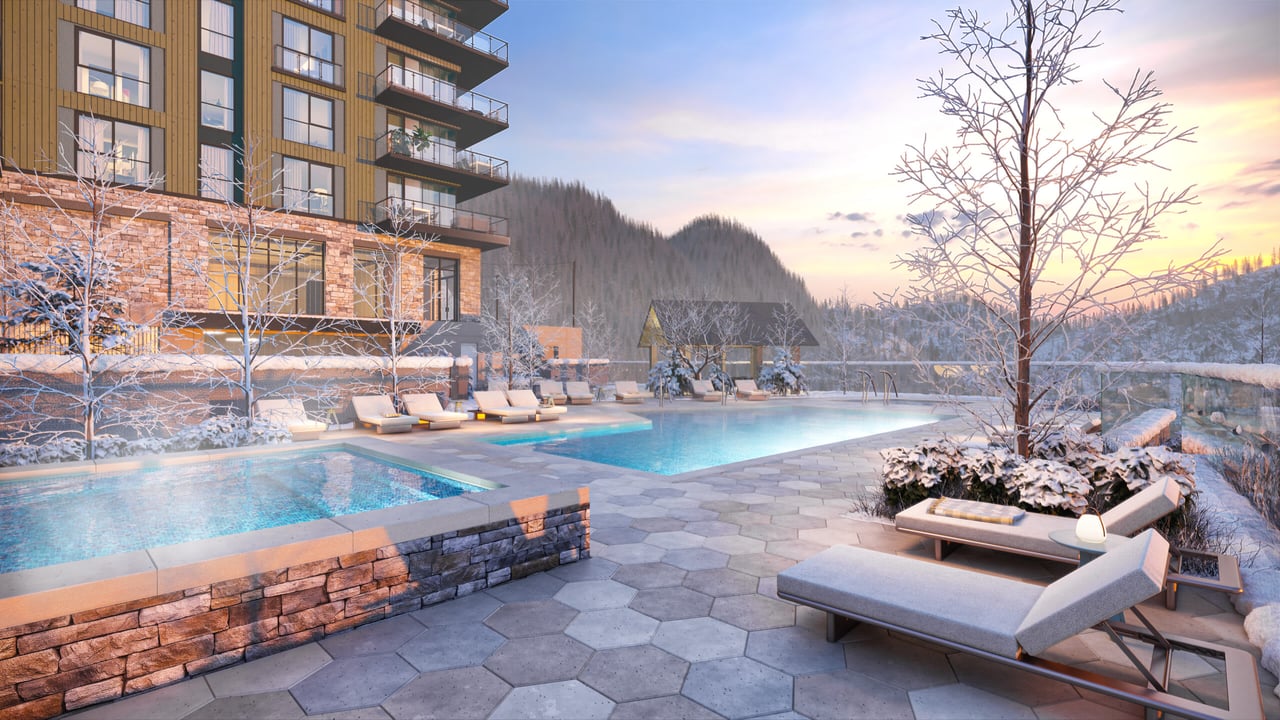
Within Mammoth Lakes, Village properties continue to outperform.
Areas like Mammoth Village benefit from:
Walkability to dining, shops, and activities
Year-round appeal (not just winter skiing)
Higher booking demand from tourists
This makes location one of the biggest differentiators in rental performance.
📈 Seasonality Still Drives Everything
Mammoth remains a seasonal destination, meaning performance fluctuates throughout the year.
Winter → highest occupancy and revenue
Summer → strong but more balanced
Shoulder seasons → softer demand
However, summer is no longer a “slow season.”
It has become a critical revenue window, helping property owners:
Build booking momentum
Capture longer stays
Stabilize annual income
🔑 What This Means for Investors
The latest rental data points to a clear shift:
👉 Success in Mammoth’s summer market is no longer passive—it’s strategic.
To maximize returns, investors should:
Focus on high-demand locations like the Village
Optimize pricing based on seasonality and demand
Improve listing quality to stand out in a crowded market
Track key metrics like occupancy, ADR, and RevPAR
Even with moderate occupancy rates, the right approach can still deliver strong, consistent income.
📊 The Big Picture
Mammoth’s summer rental market in 2026 is best described as:
Stable in occupancy
Strong in pricing
Competitive in supply
This combination creates a market where knowledge and execution matter more than ever.
TL;DR
The latest rental data shows Mammoth Lakes’ summer market is steady but competitive. Occupancy averages around 40%–45%, while strong nightly rates ($400+) help maintain solid returns. With more listings entering the market, success now depends on strategy—especially location, pricing, and property quality.
Credit: @Visitmammoth